Swan Canada installation guide
Chipboard
Wood-based panels perform best when acclimated and supported by a suitable wall or furring system. Allow for the manufacturer’s required movement gaps.
Tools & materials
Tape measure, square and level
Stud detector
Fine-tooth saw
Drill, countersink and driver
Approved screws or clips
Spacers and PPE
Before you begin
Store panels flat and dry in the installation environment. Confirm the supporting wall or furring is straight, secure and spaced for the panel dimensions.
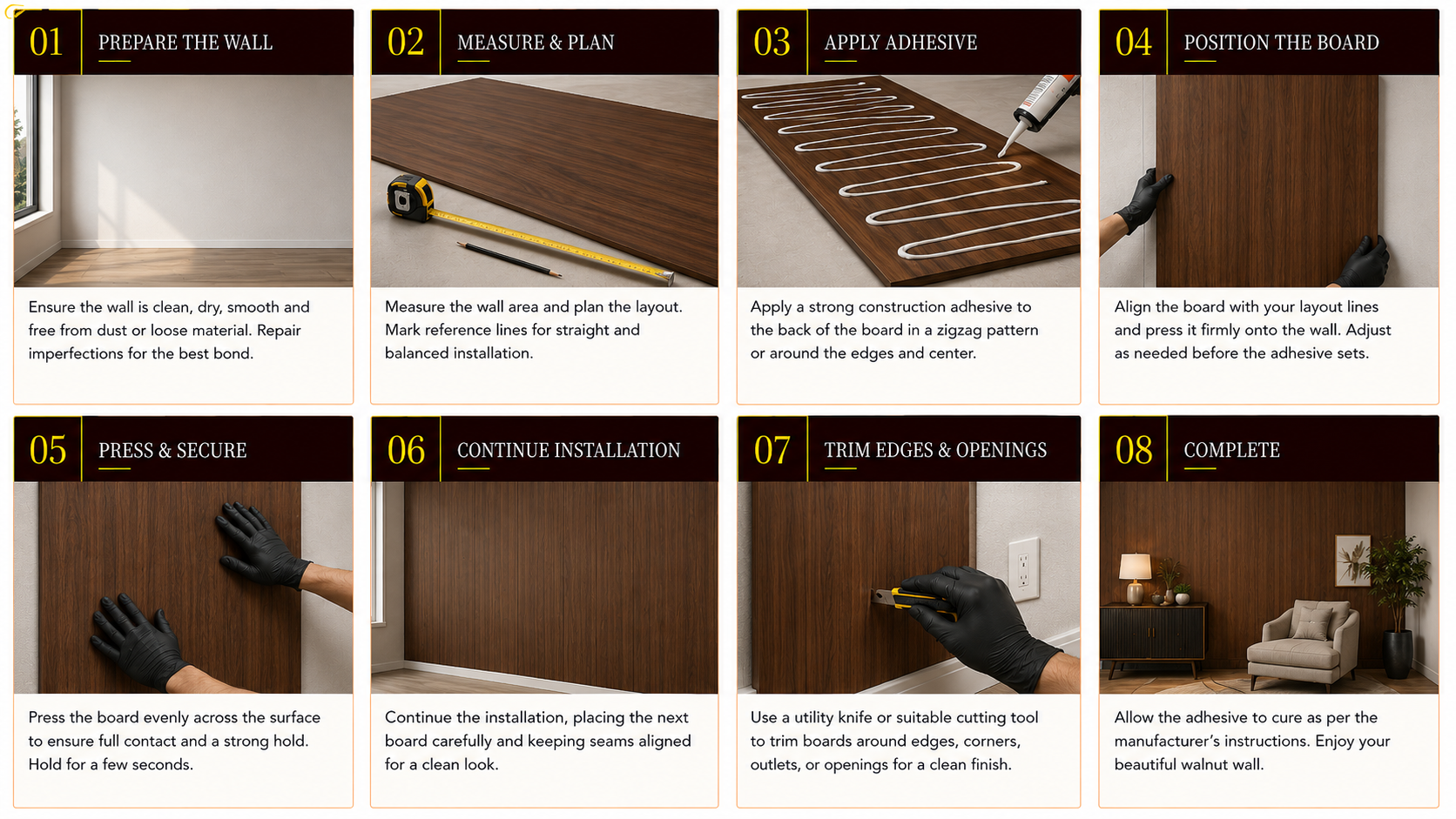
Follow these installation steps
Common questions about Chipboard
What surface is suitable for decorative chipboard panels?
Install over a dry, stable and reasonably flat substrate that can support the selected fastening method. Repair moisture damage and loose finishes before covering the wall.
Should chipboard be glued or mechanically fastened?
Use a compatible adhesive, mechanical fasteners or both according to panel weight, substrate and location. Fasteners should reach suitable backing and be placed where they can be concealed or finished.
What blade should I use to cut chipboard?
Use a sharp fine-tooth carbide blade and support the panel fully to reduce chipping. Cut with the finished face oriented as recommended for the saw and seal or finish exposed edges when required.
Do chipboard panels need an expansion gap?
Wood-based panels can respond to humidity. Acclimate them in a dry interior and provide the perimeter or joint allowance recommended for the exact product and room conditions.
How can I make seams look clean?
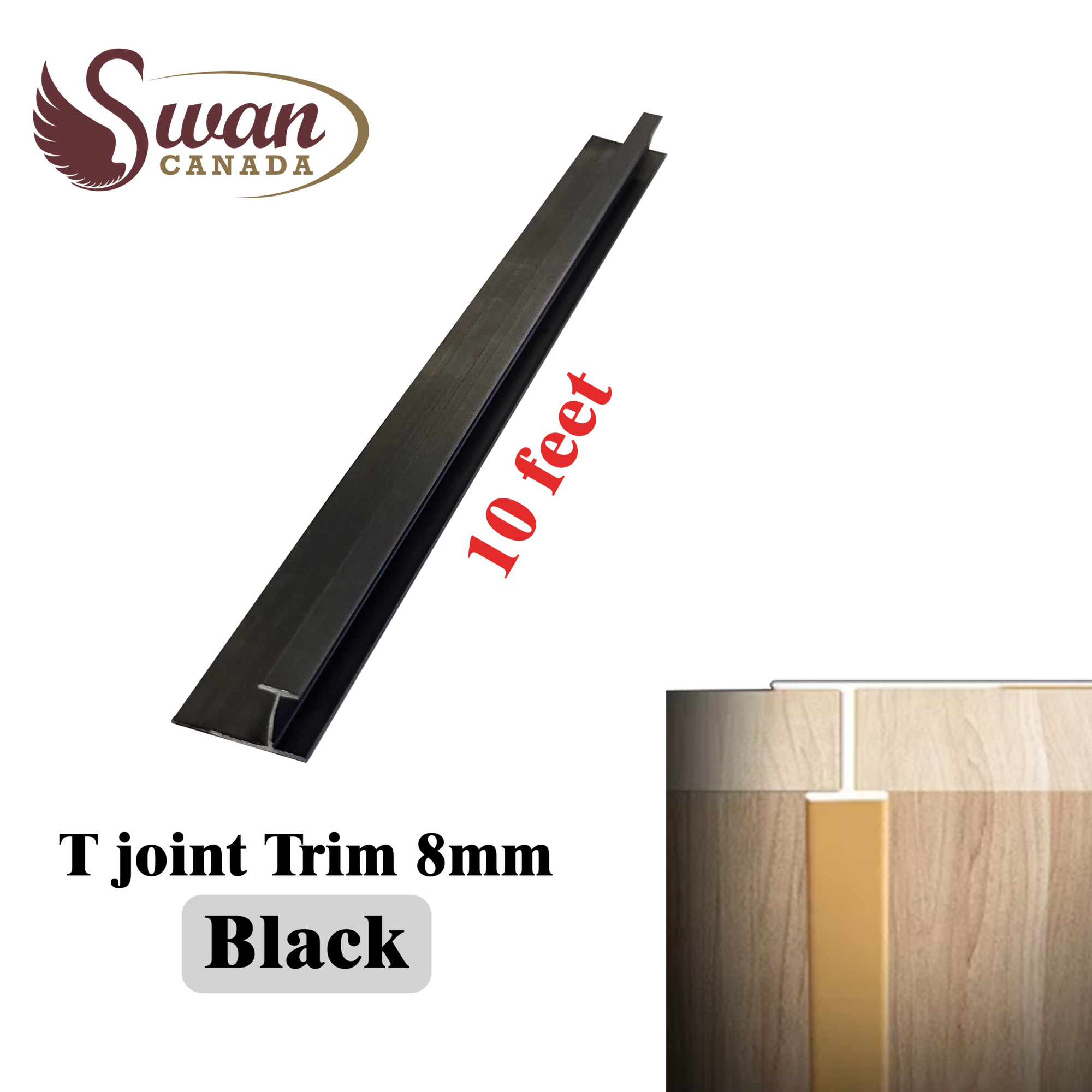
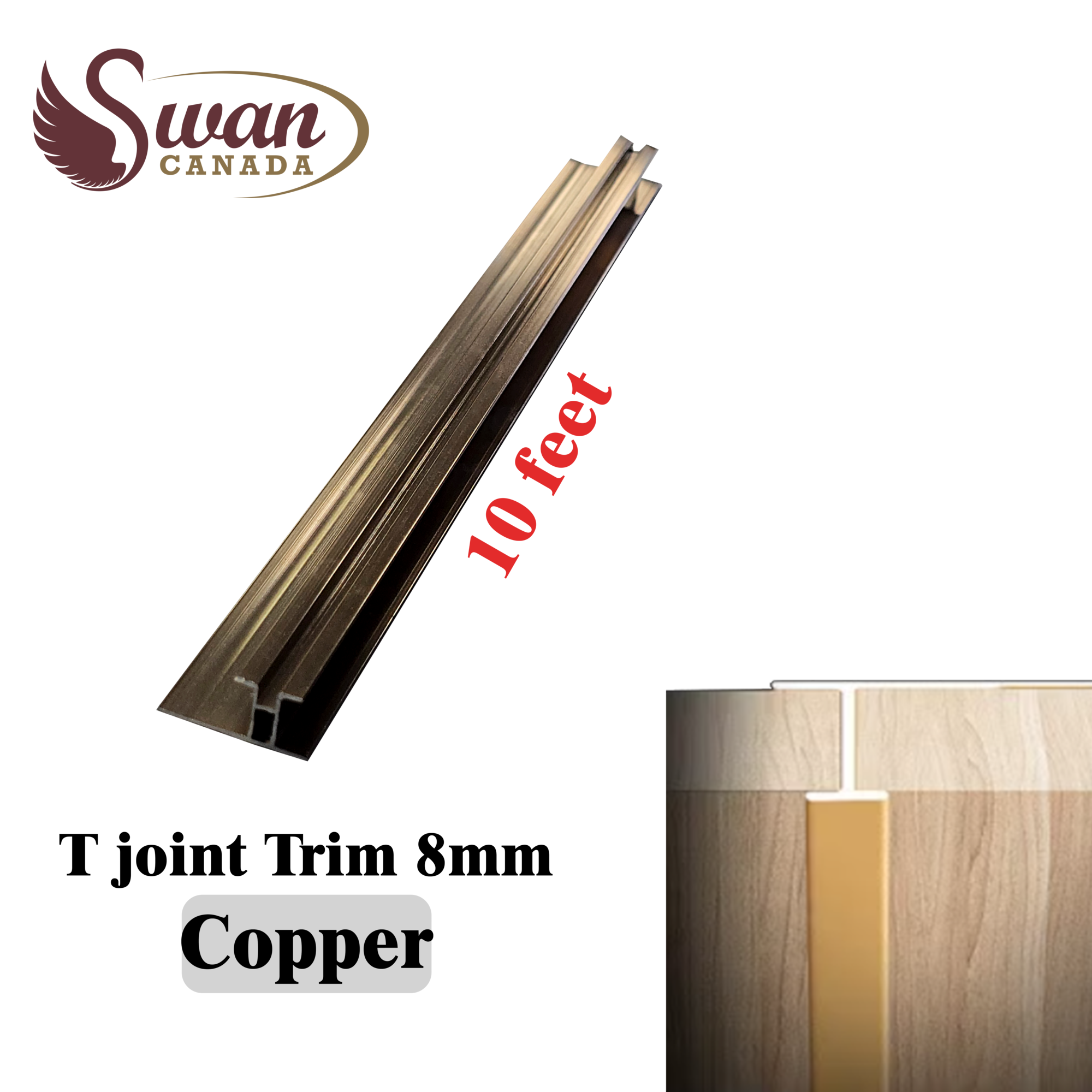
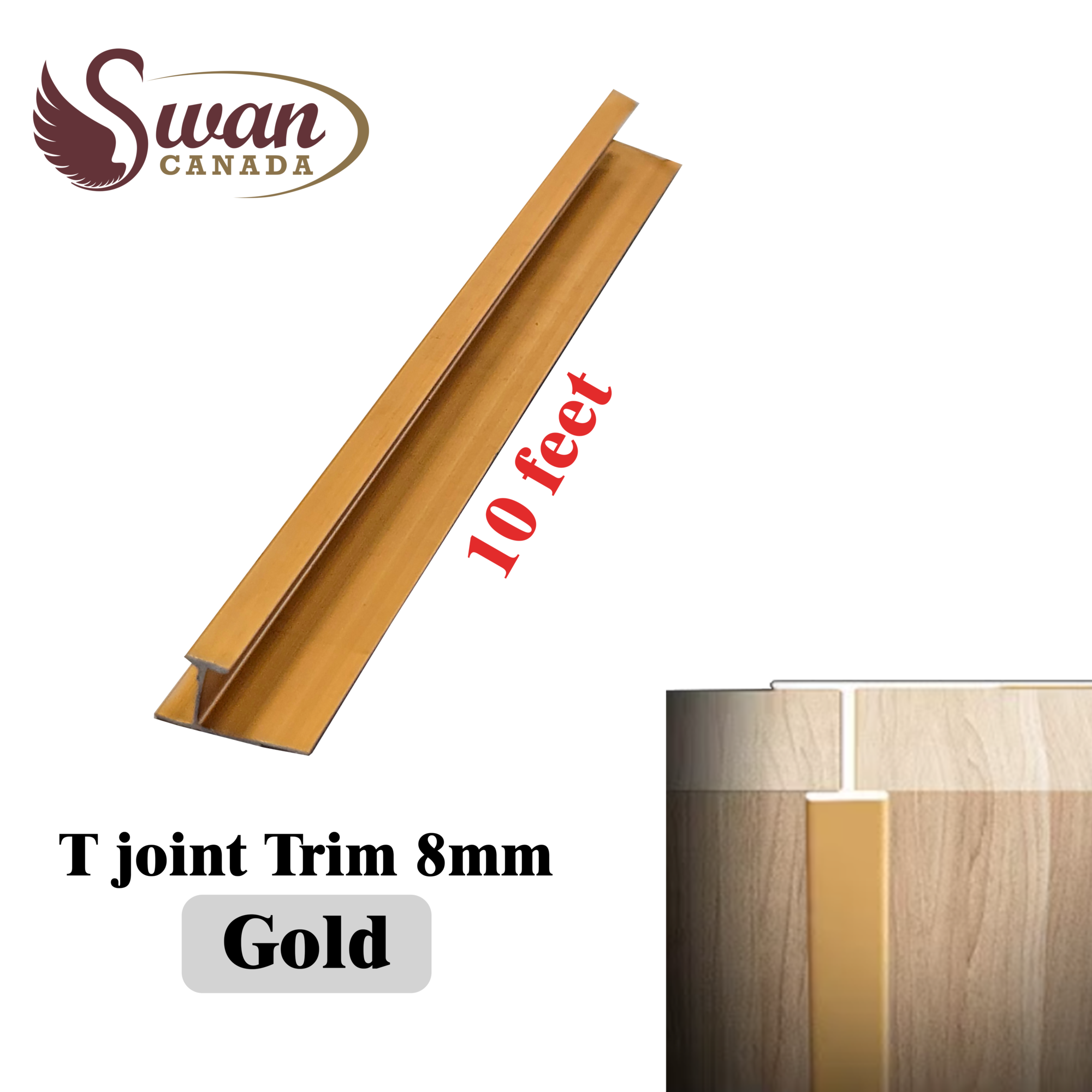
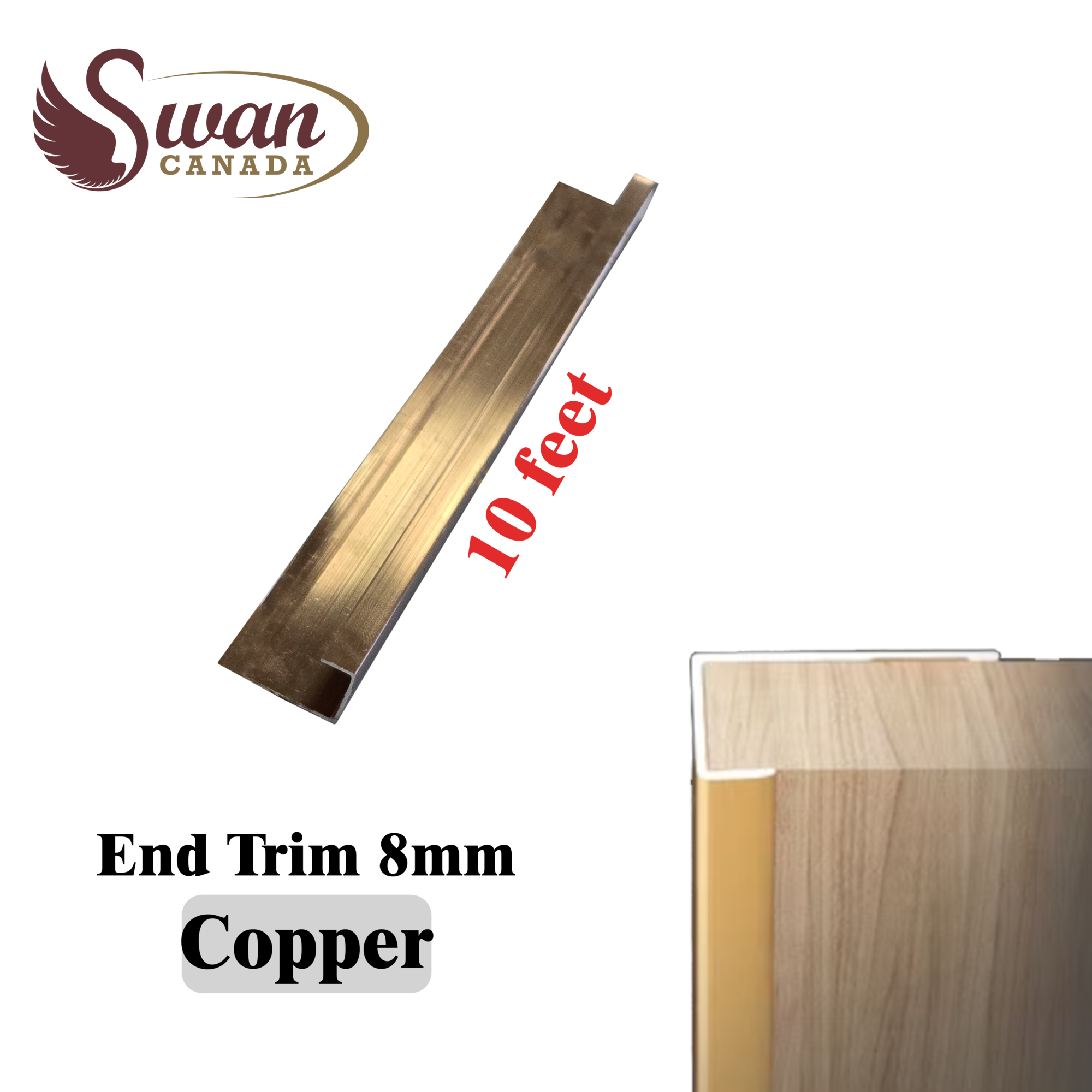
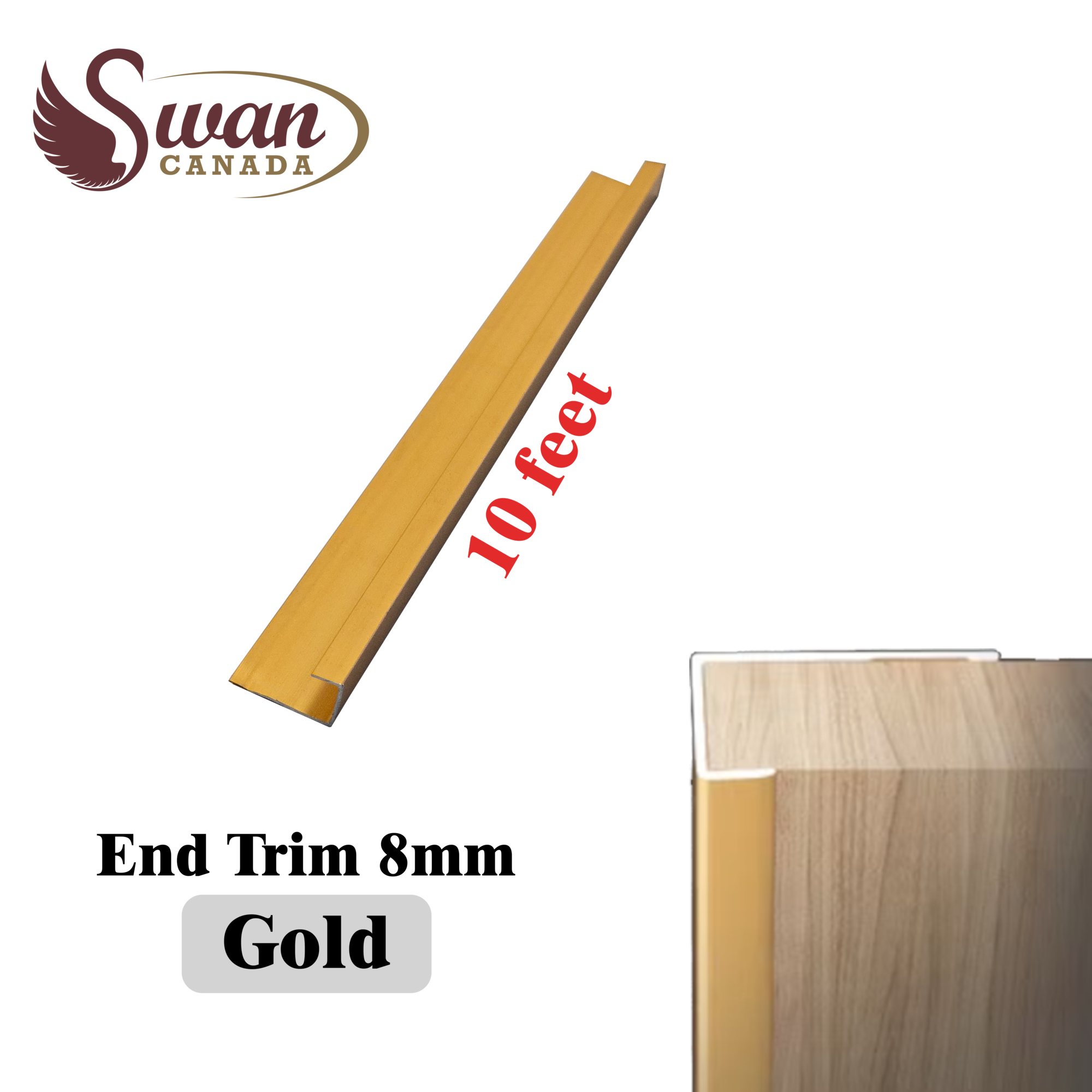
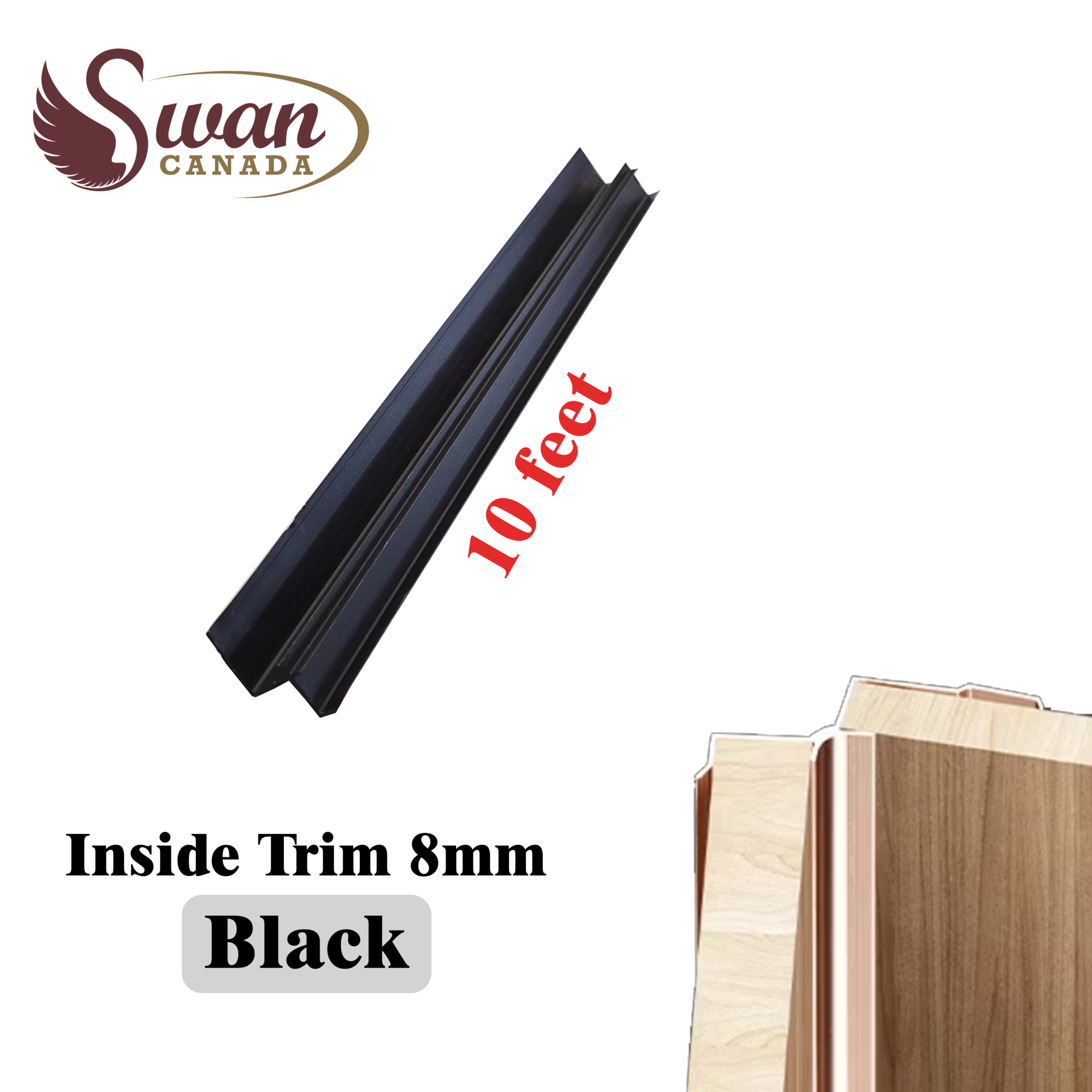
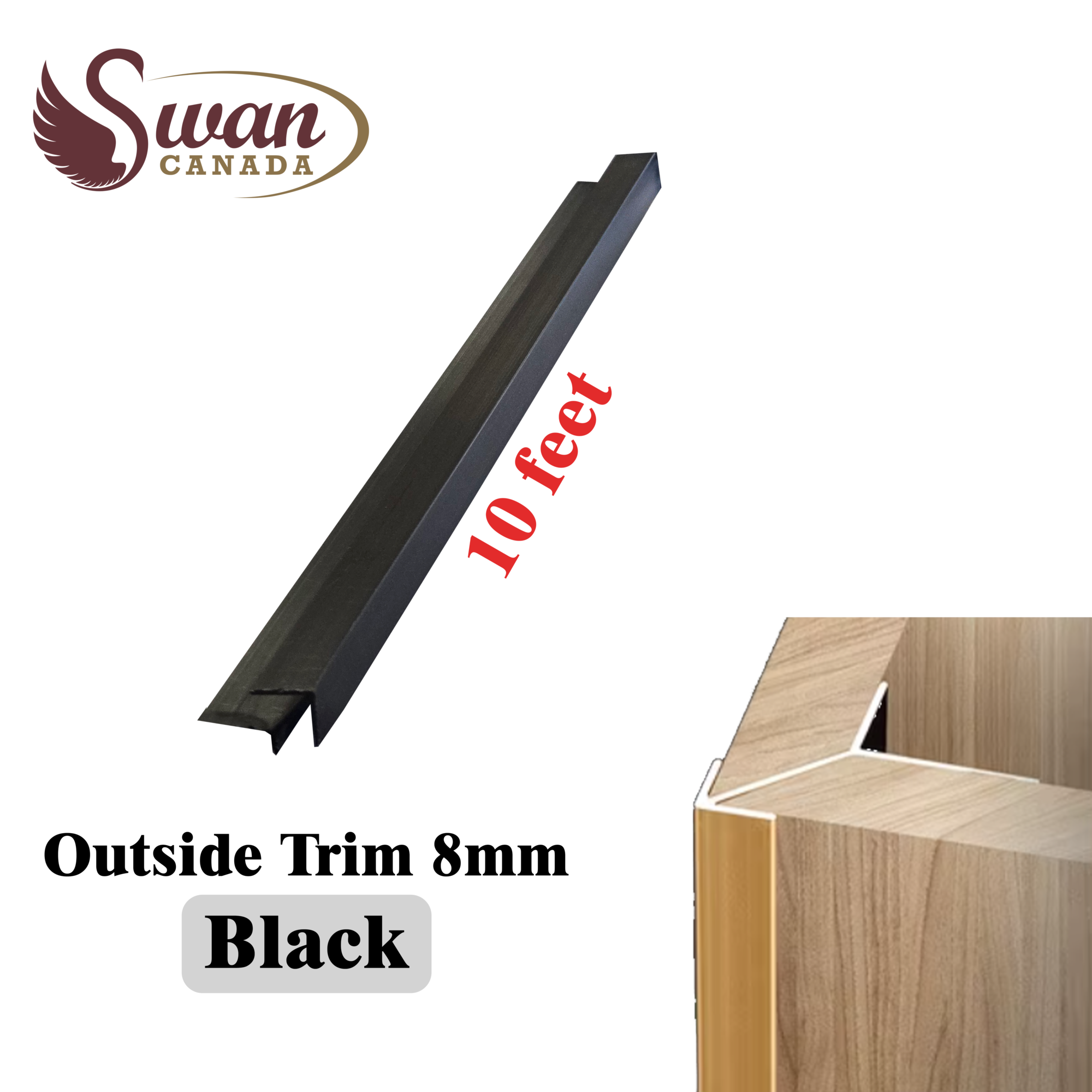
Plan the module width, keep the first panel plumb and use the specified joining trim or edge detail. Avoid forcing panels tightly together when a movement allowance is required.
Can chipboard be installed in a bathroom or basement?
Use it only in dry, controlled conditions unless the product is specifically rated otherwise. Address moisture sources and ventilation first, and keep raw edges protected from water.
Can shelves or televisions be mounted through the panels?
Heavy items must be anchored to studs, masonry or engineered backing behind the decorative panel. Do not rely on the panel face alone unless its load rating explicitly permits it.
How should cut edges be finished?
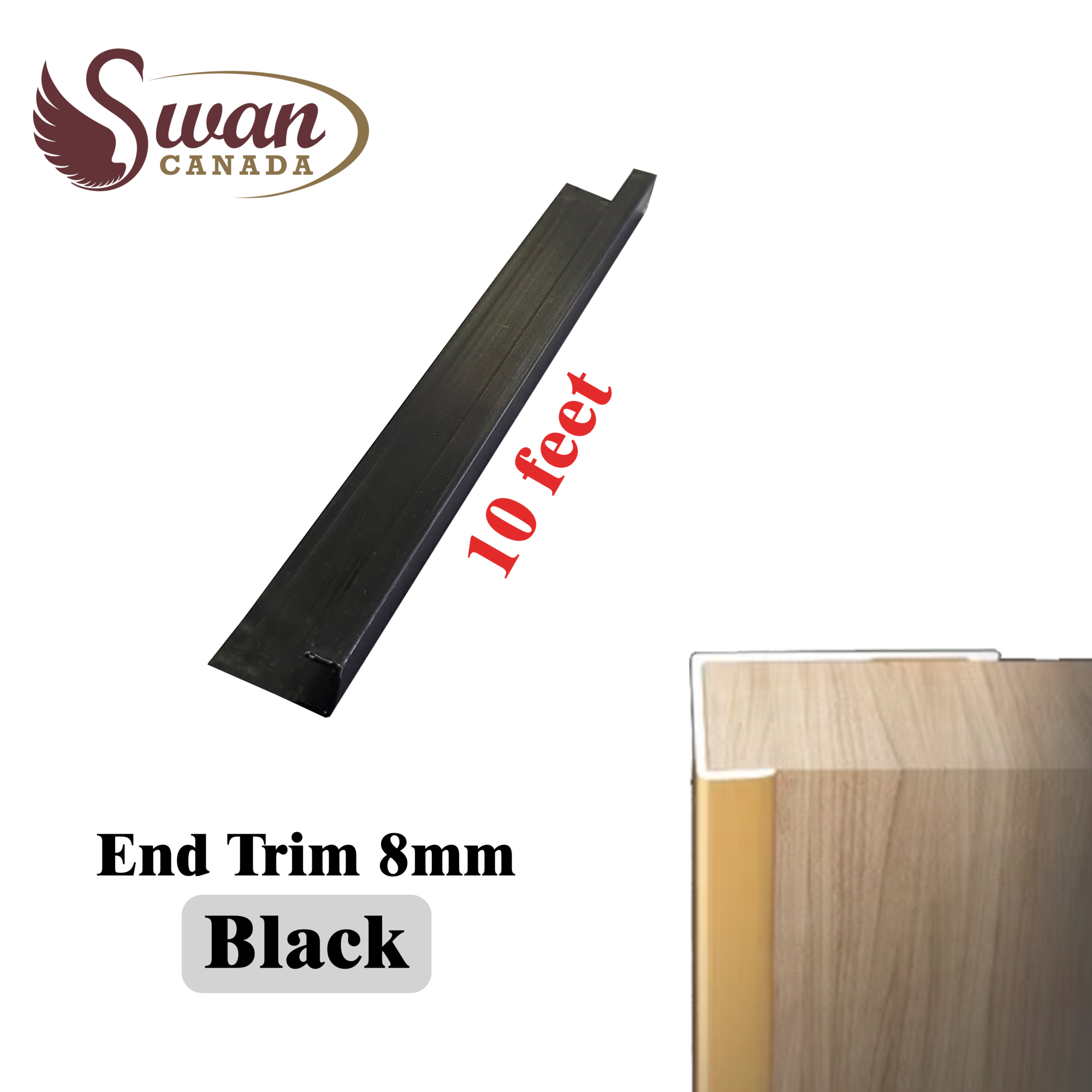
Use the matching edge band, trim, paint or sealant specified for the design. Finish cuts promptly so the core is protected and the installation has a complete appearance.