Swan Canada installation guide
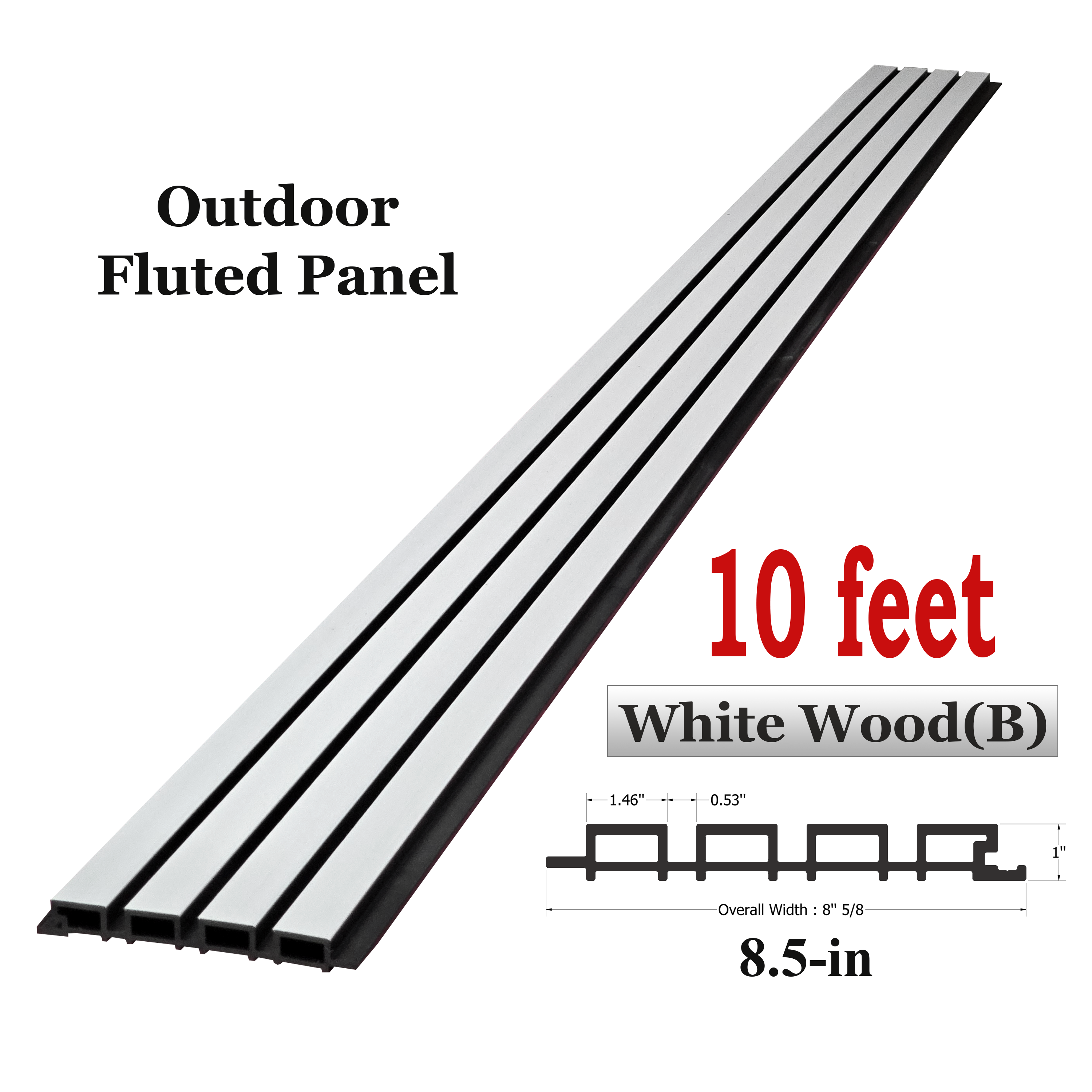
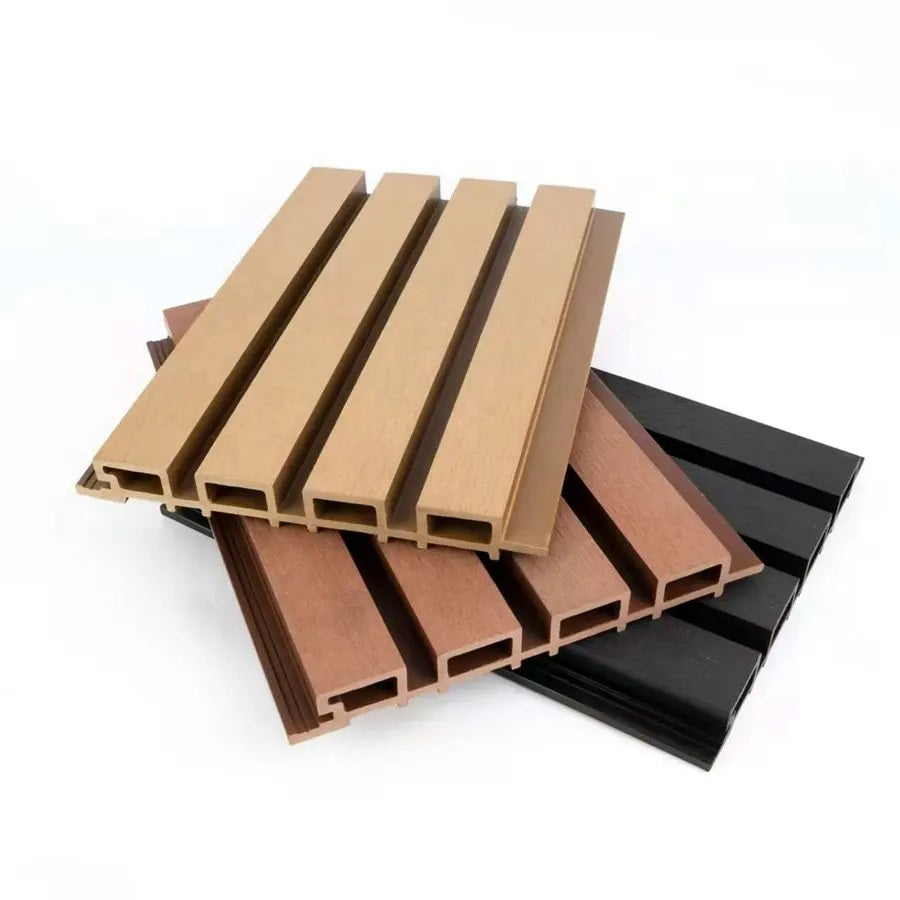
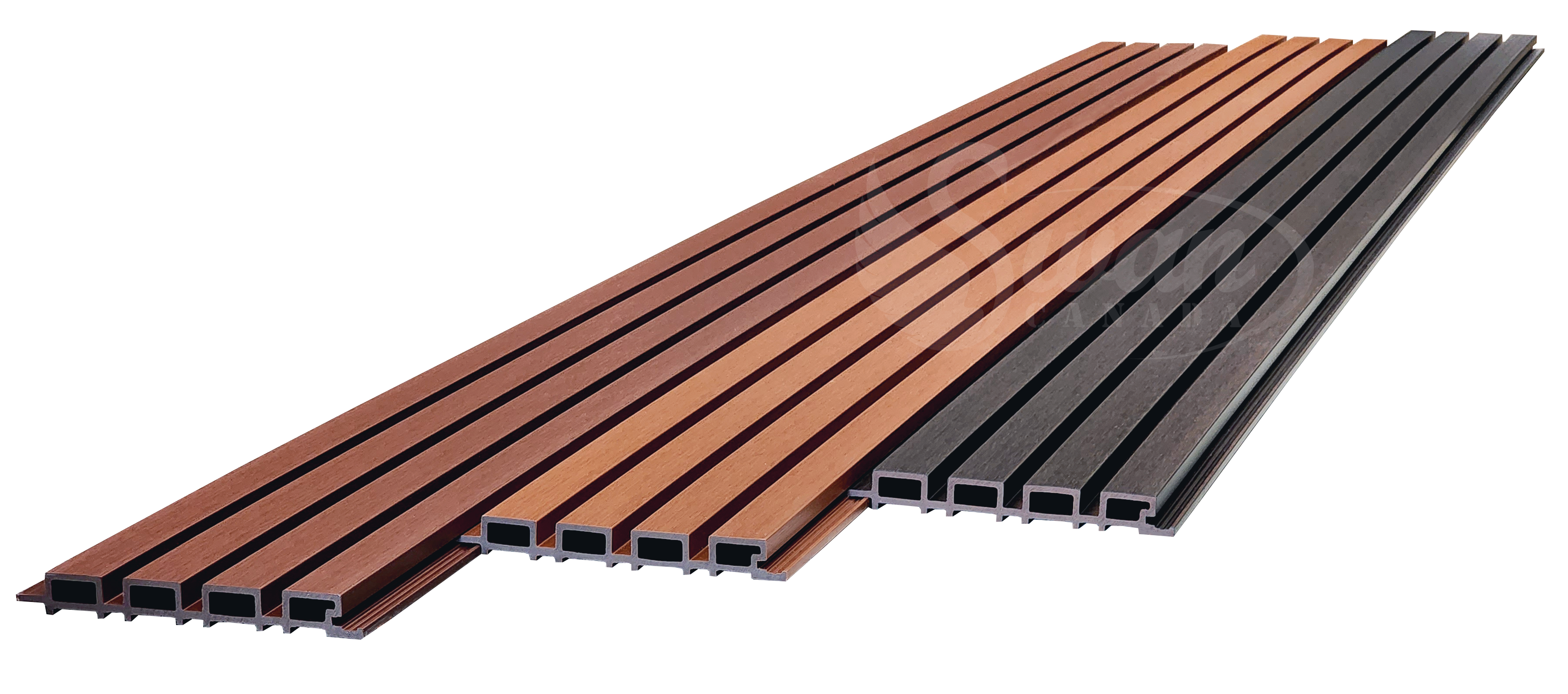
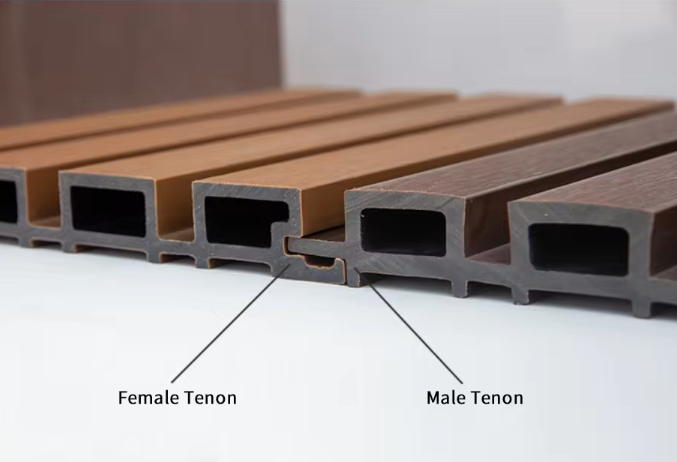
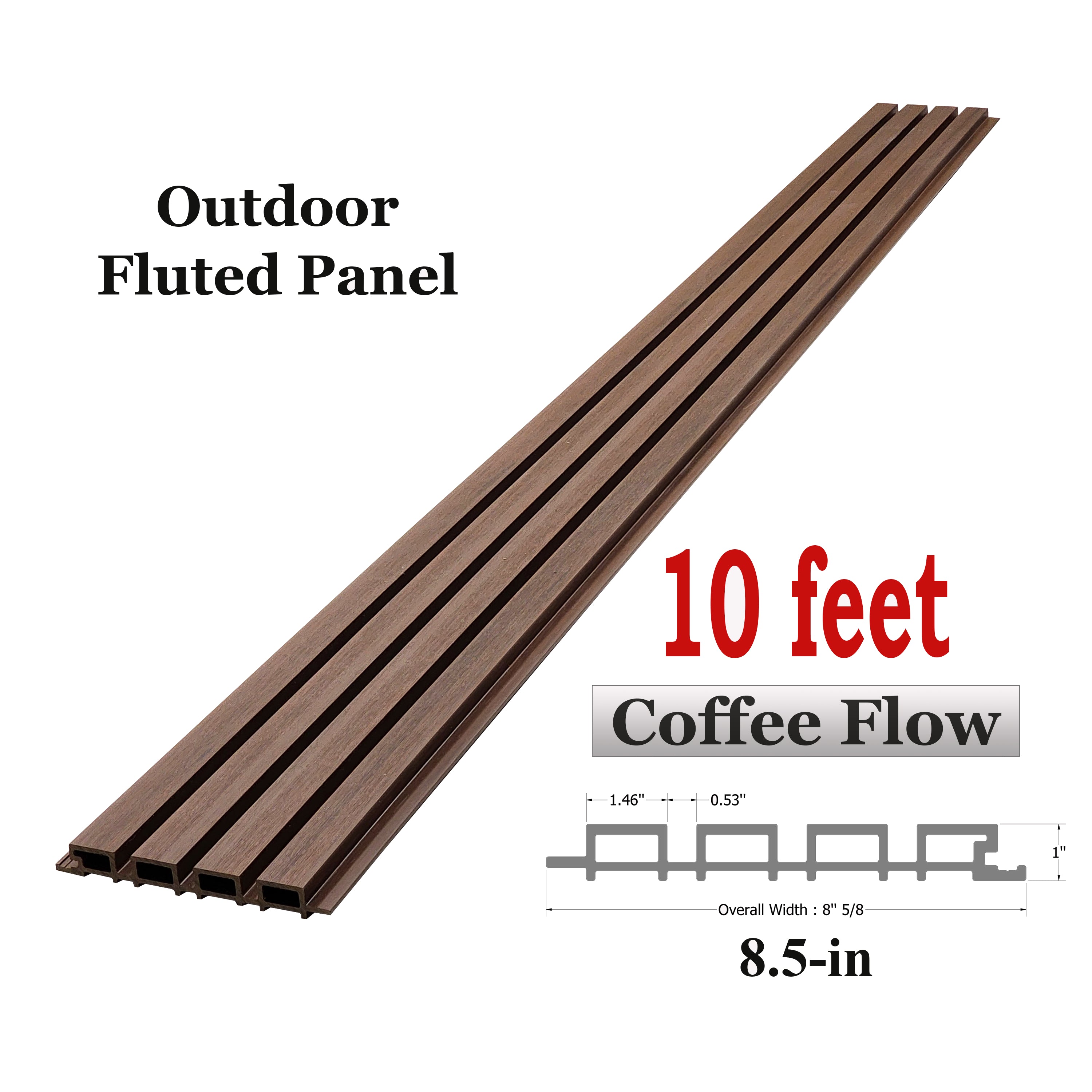
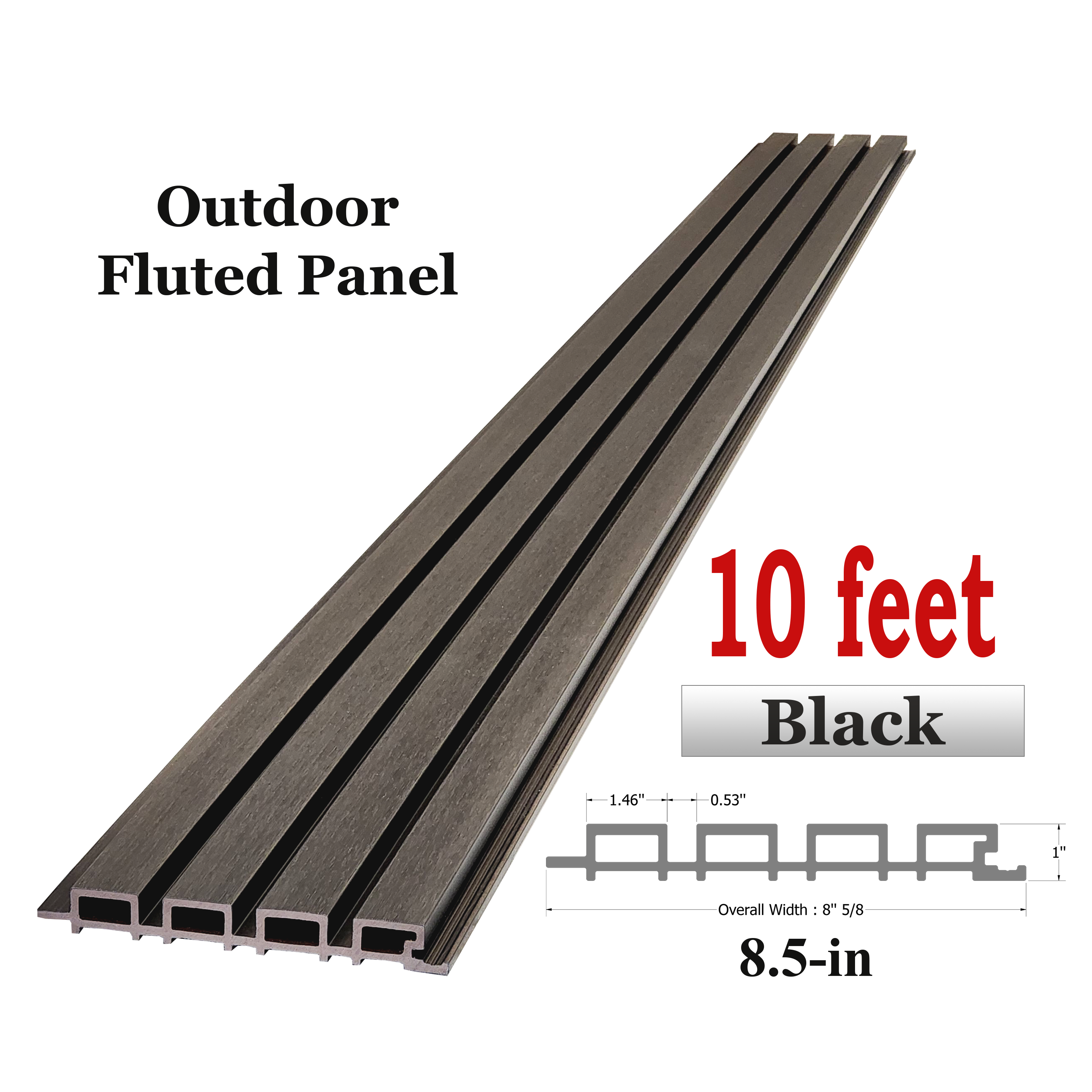
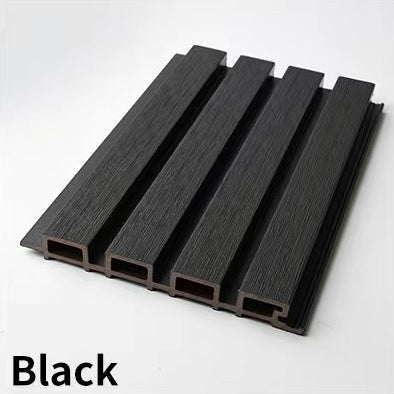
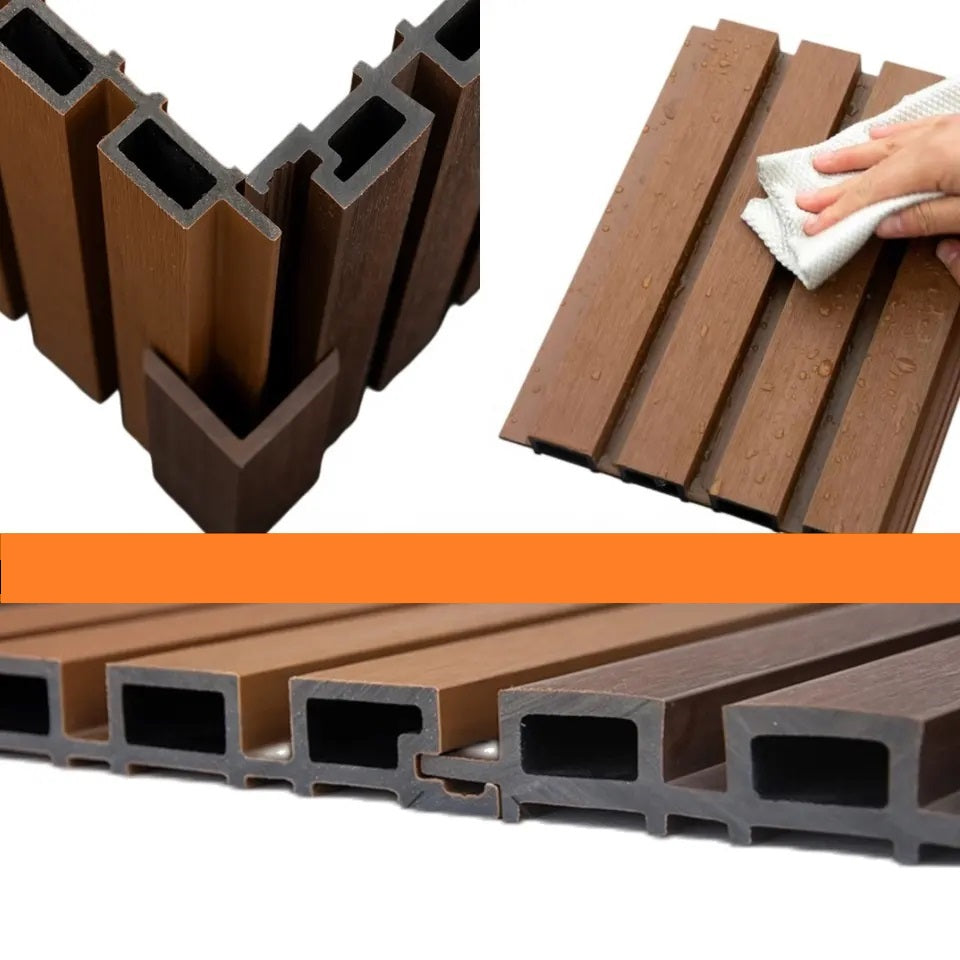
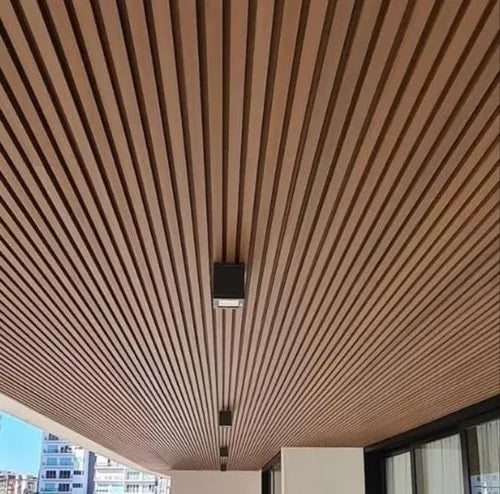
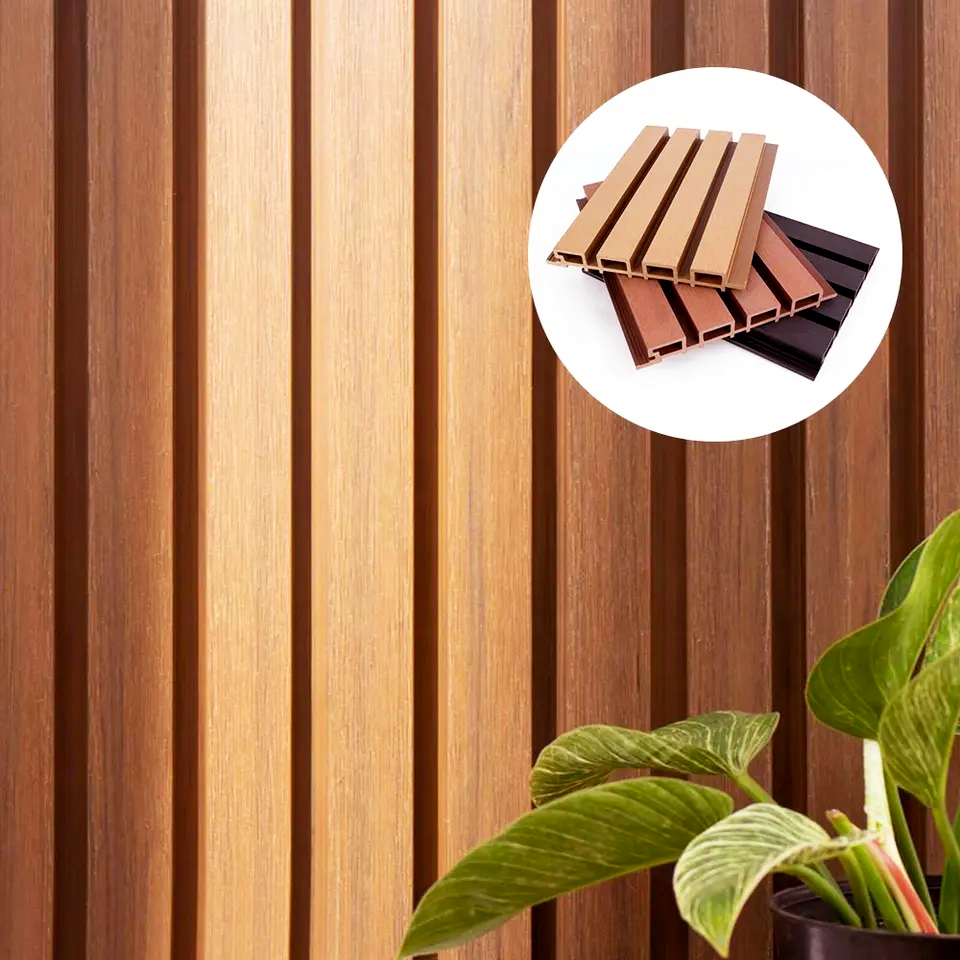
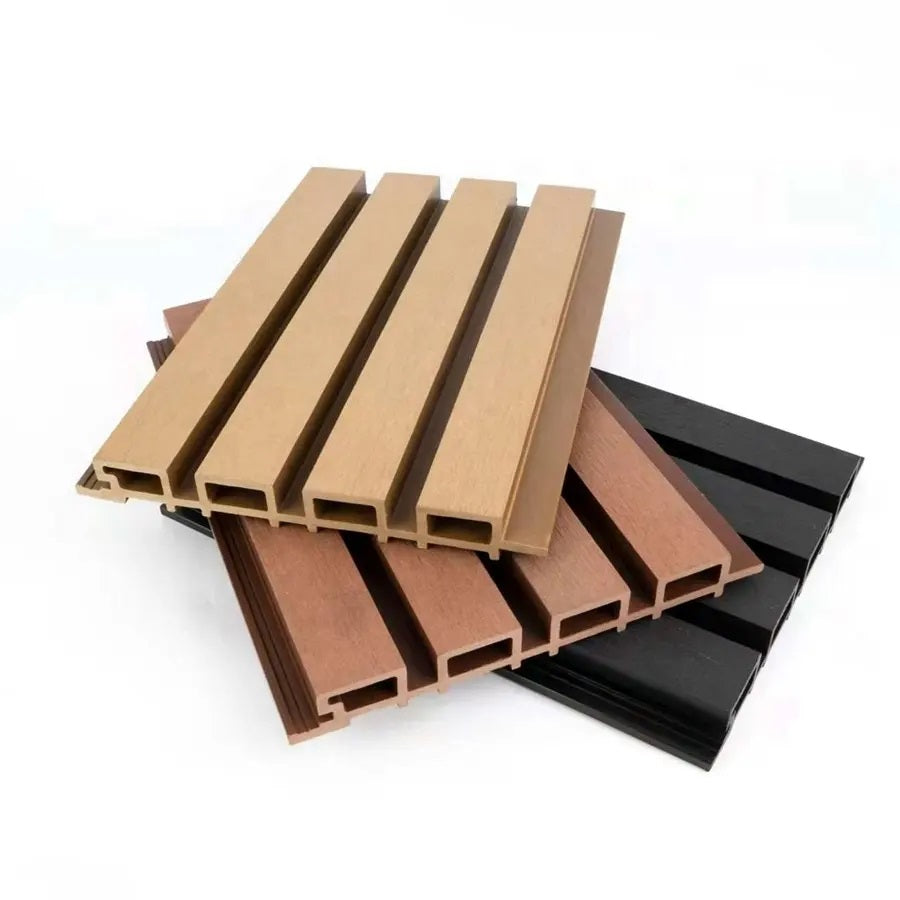
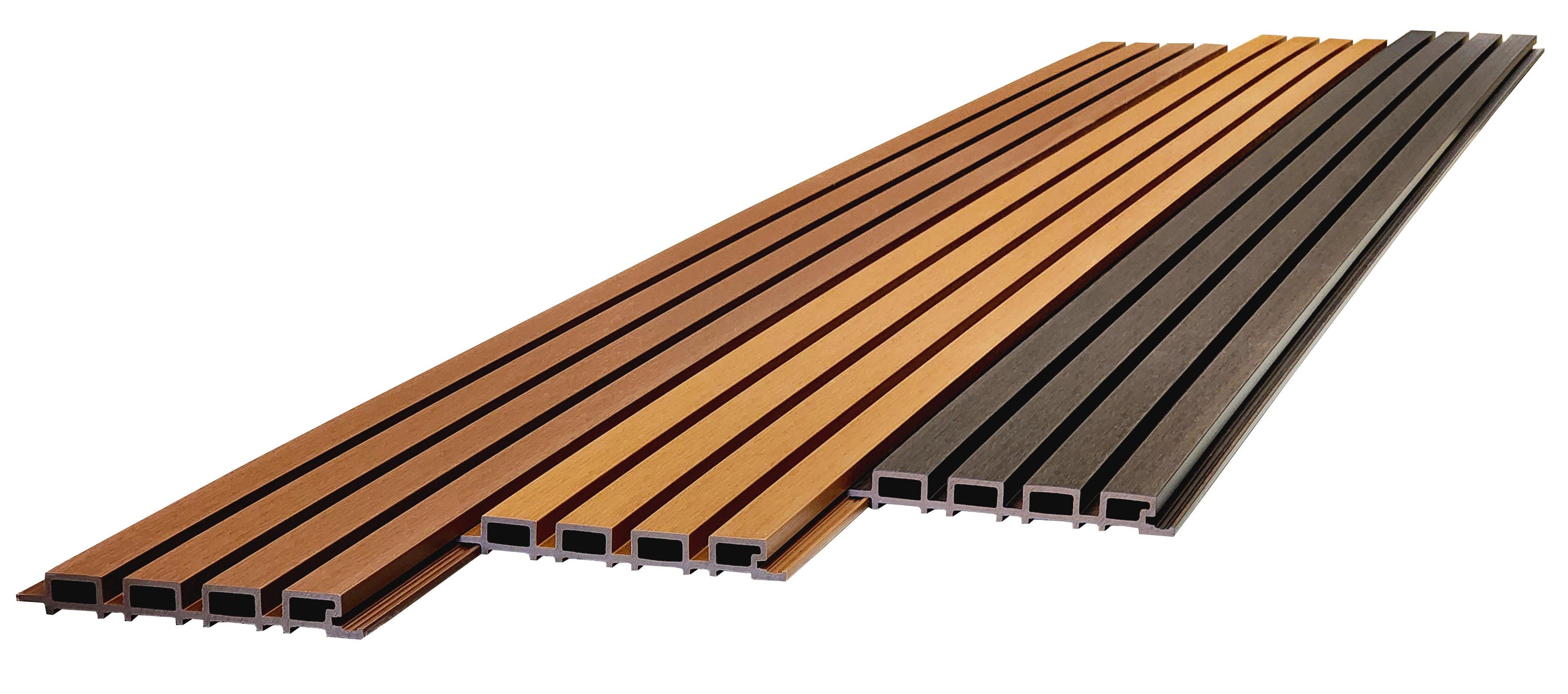
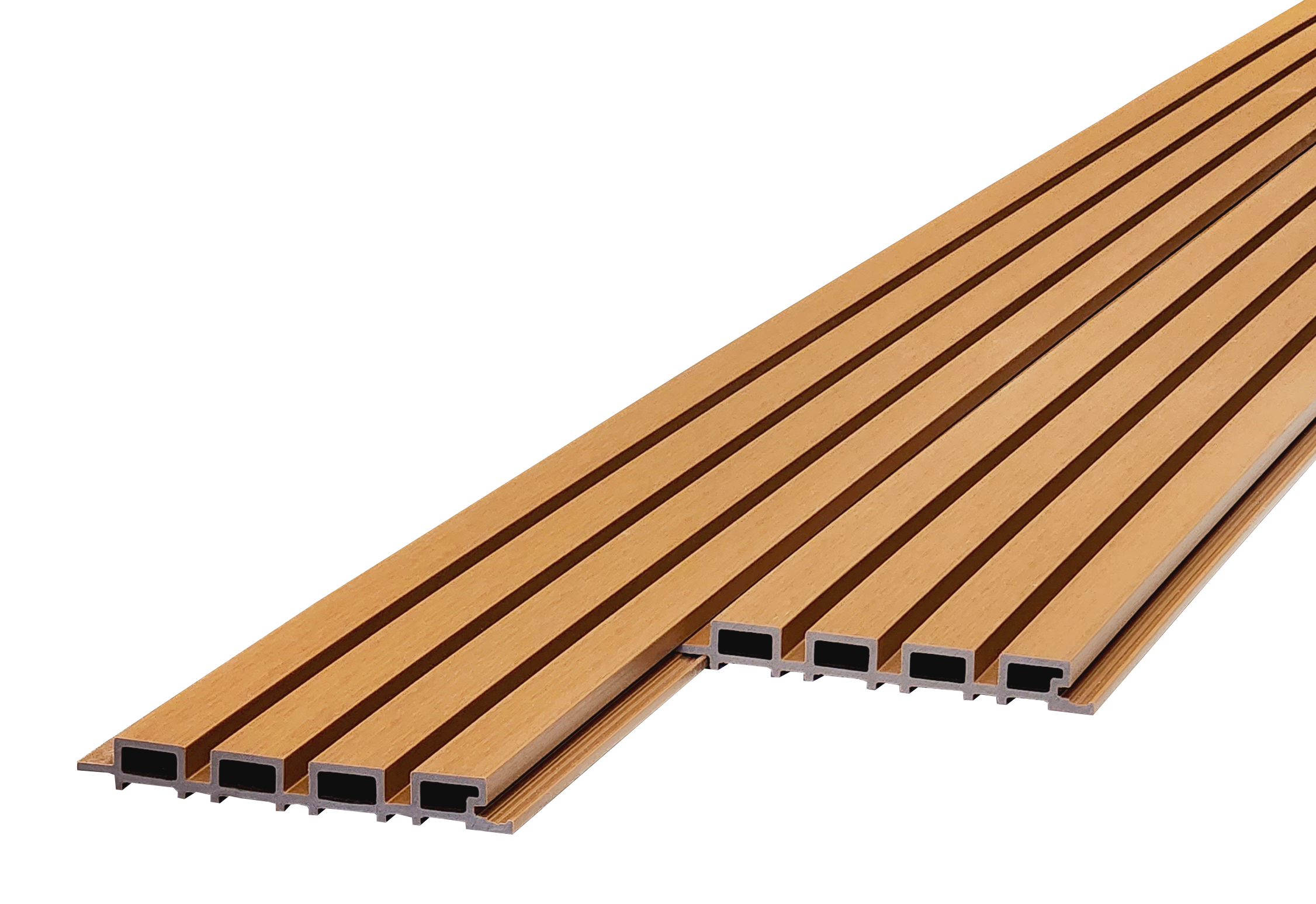
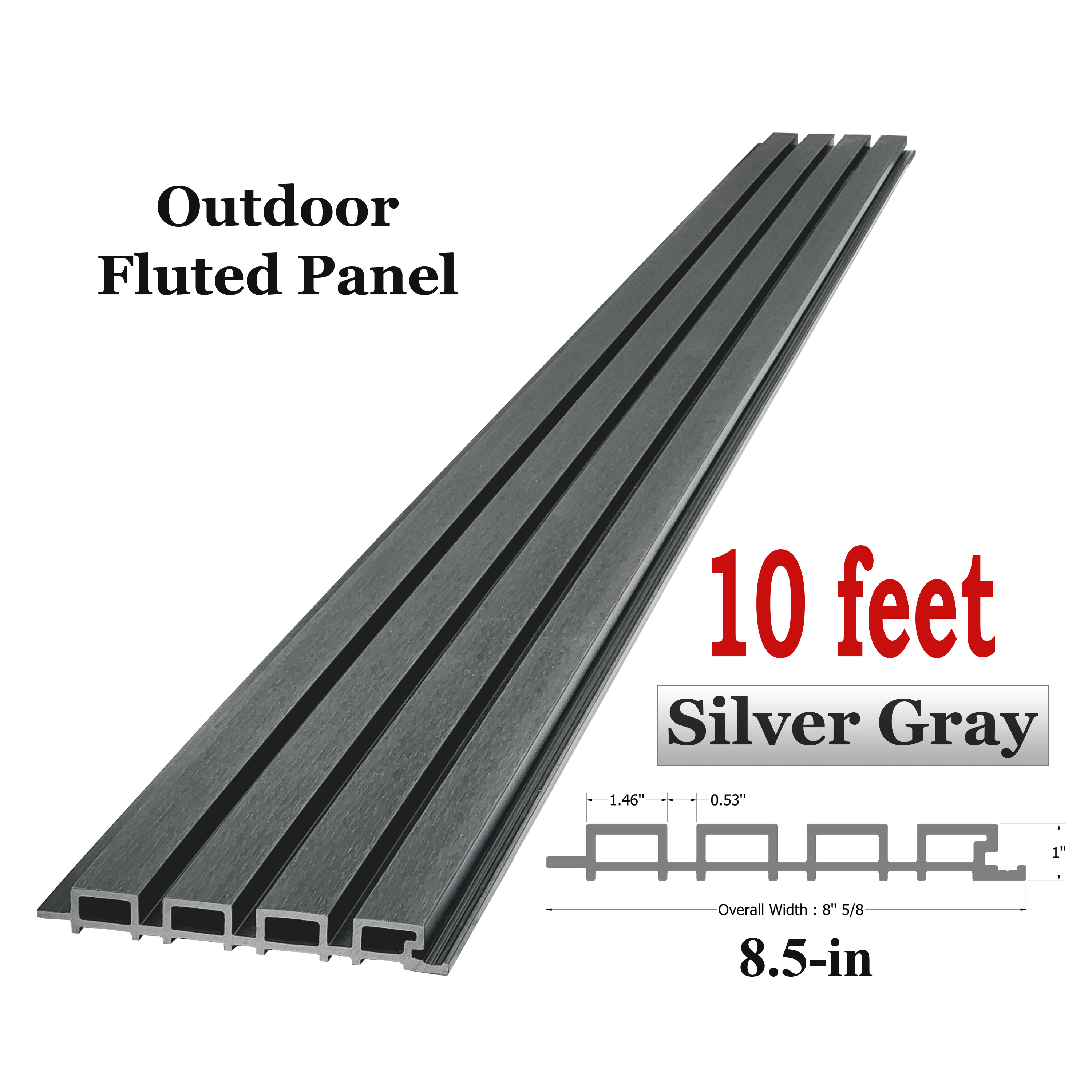
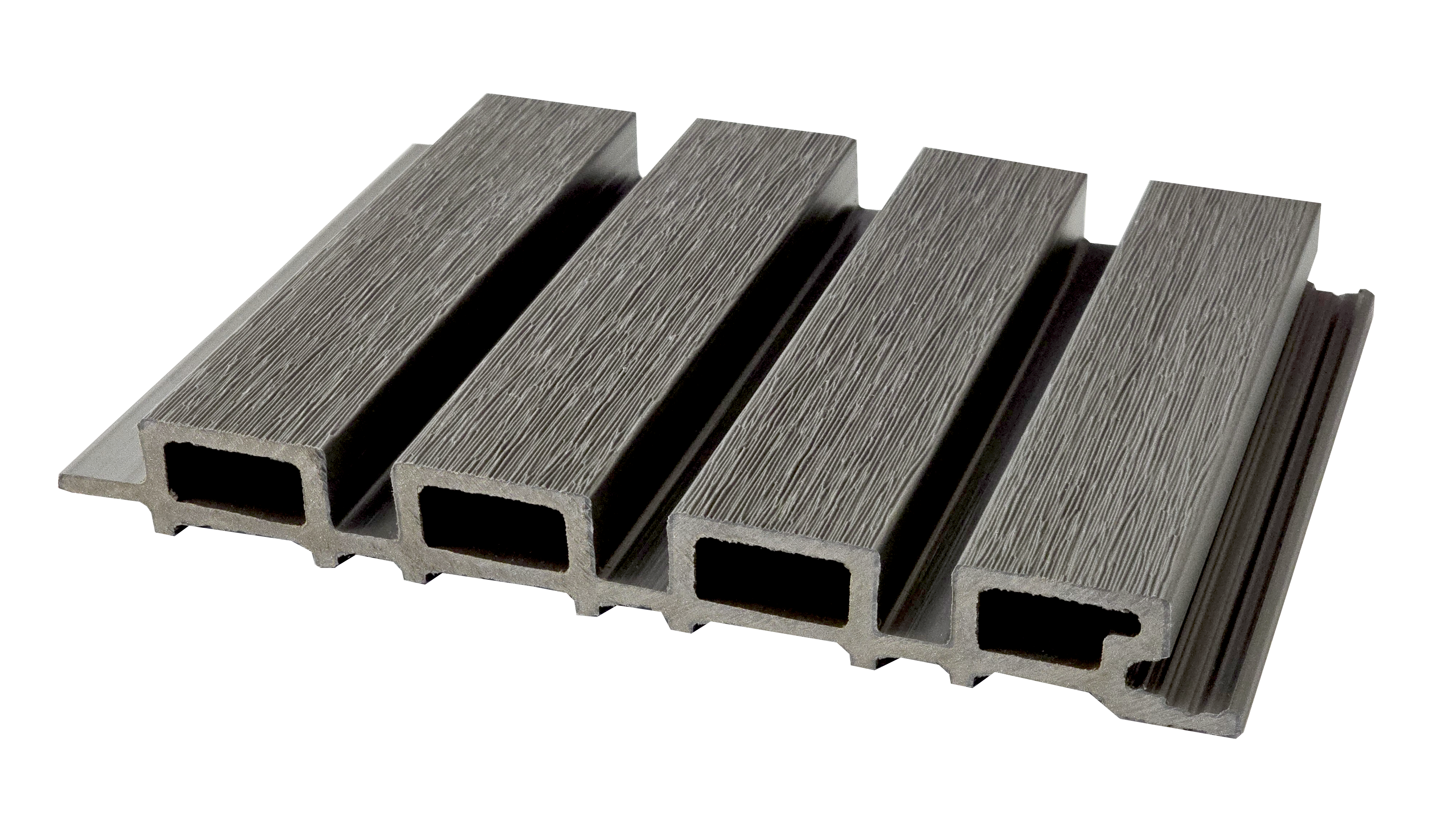
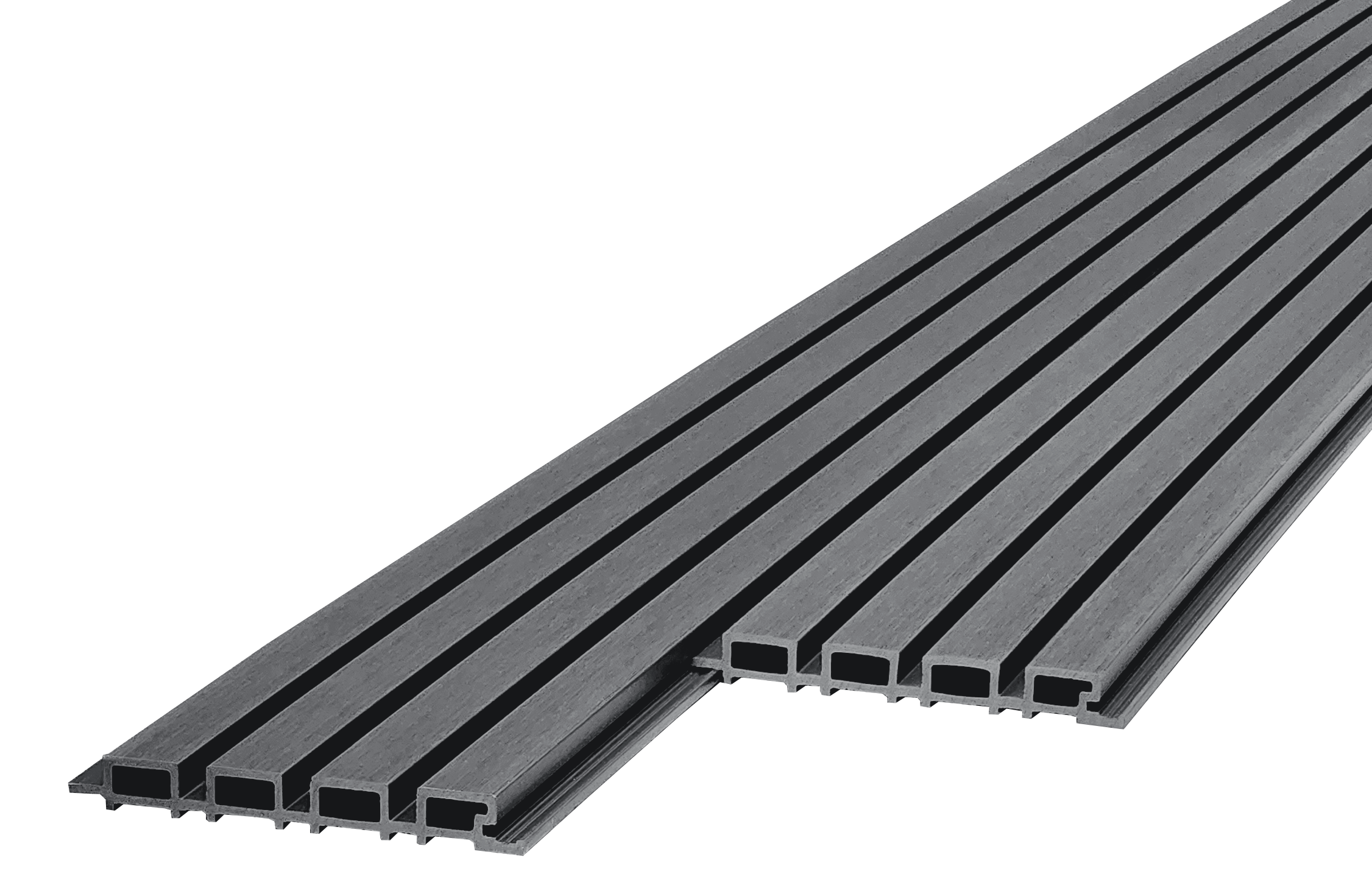
Outdoor Fluted Panels
Exterior cladding must manage water, ventilation, wind loads, movement and safe attachment to the building. Follow product instructions and applicable local requirements.
Tools & materials
Laser or long level
Exterior-rated saw blade
Approved subframe or furring system
Corrosion-resistant fasteners and clips
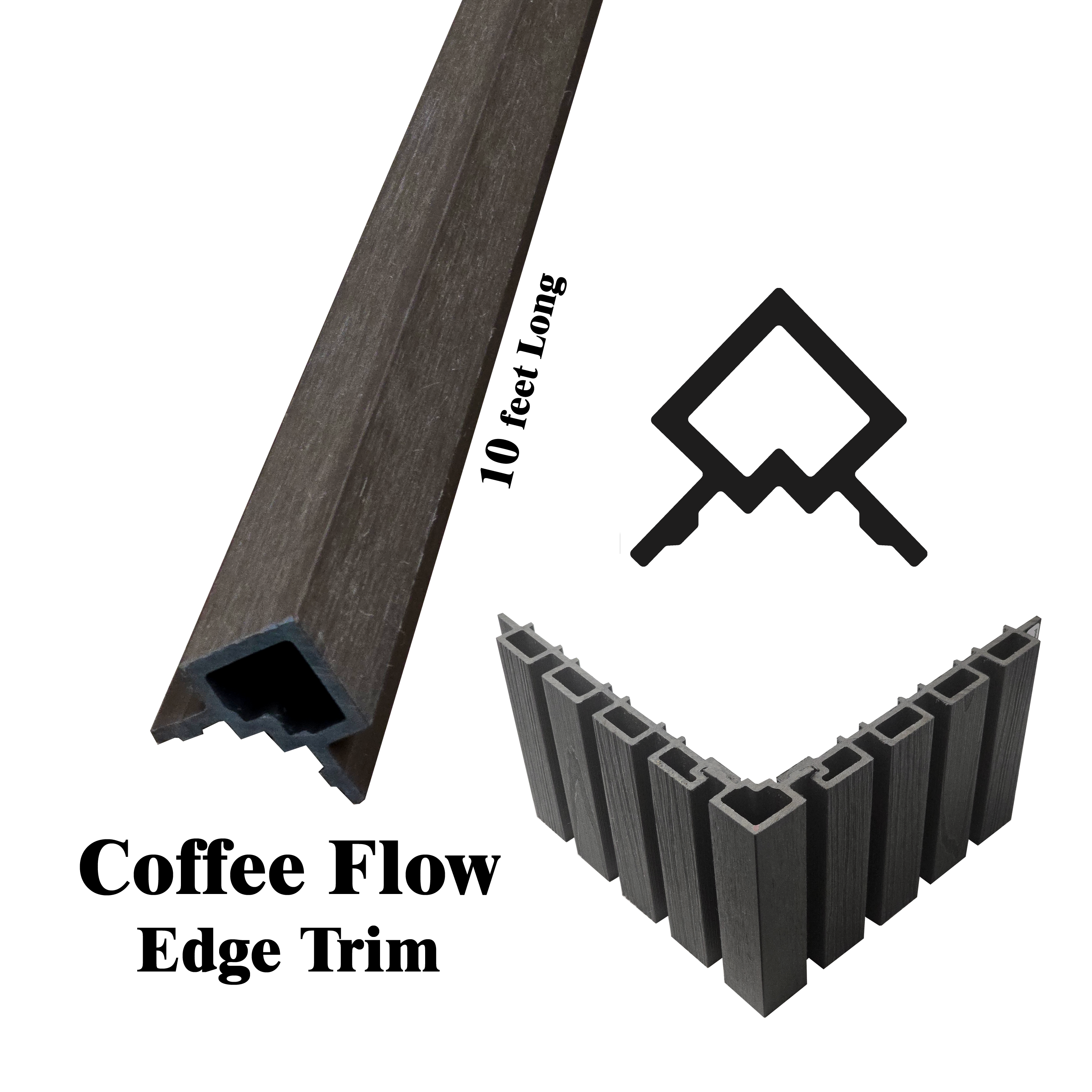
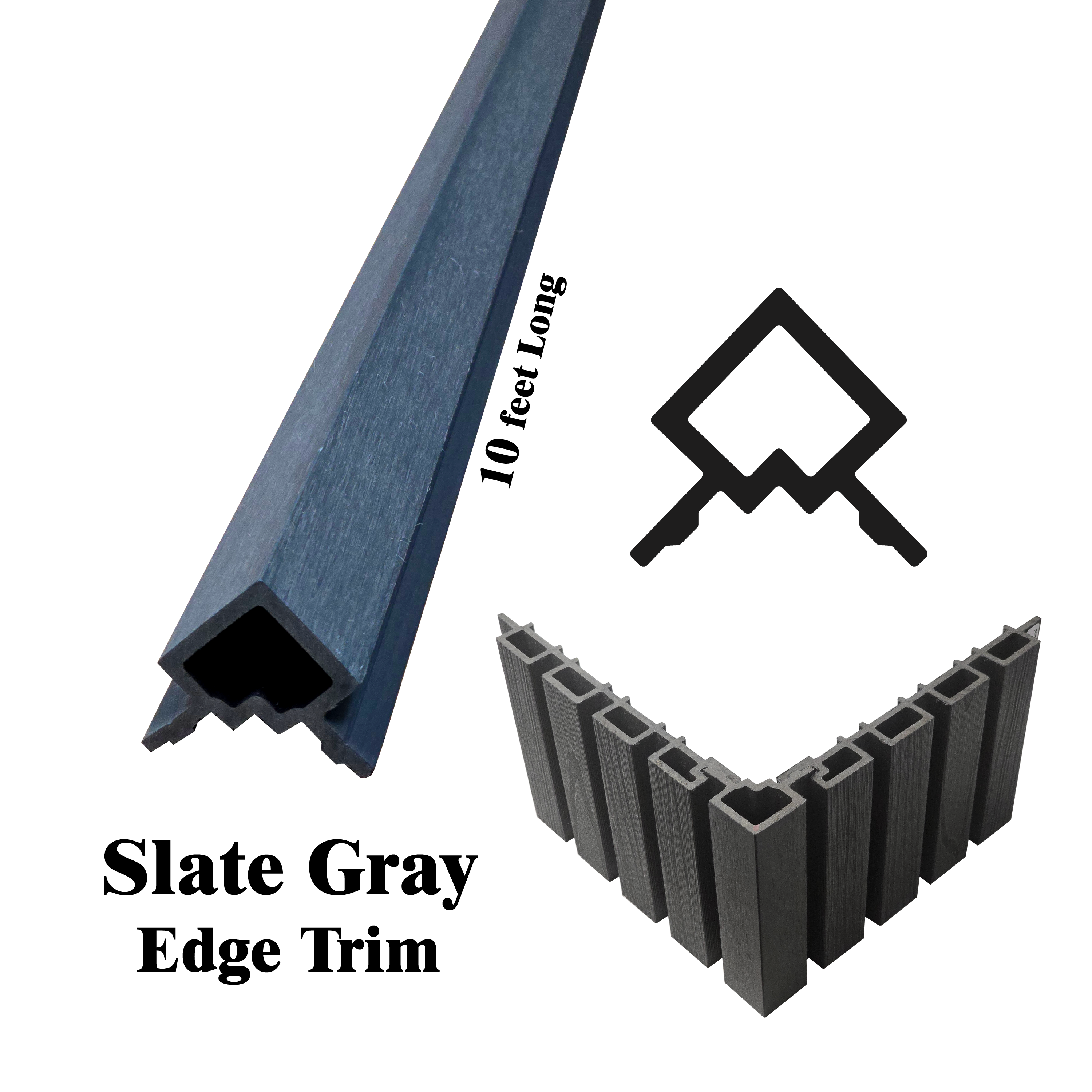
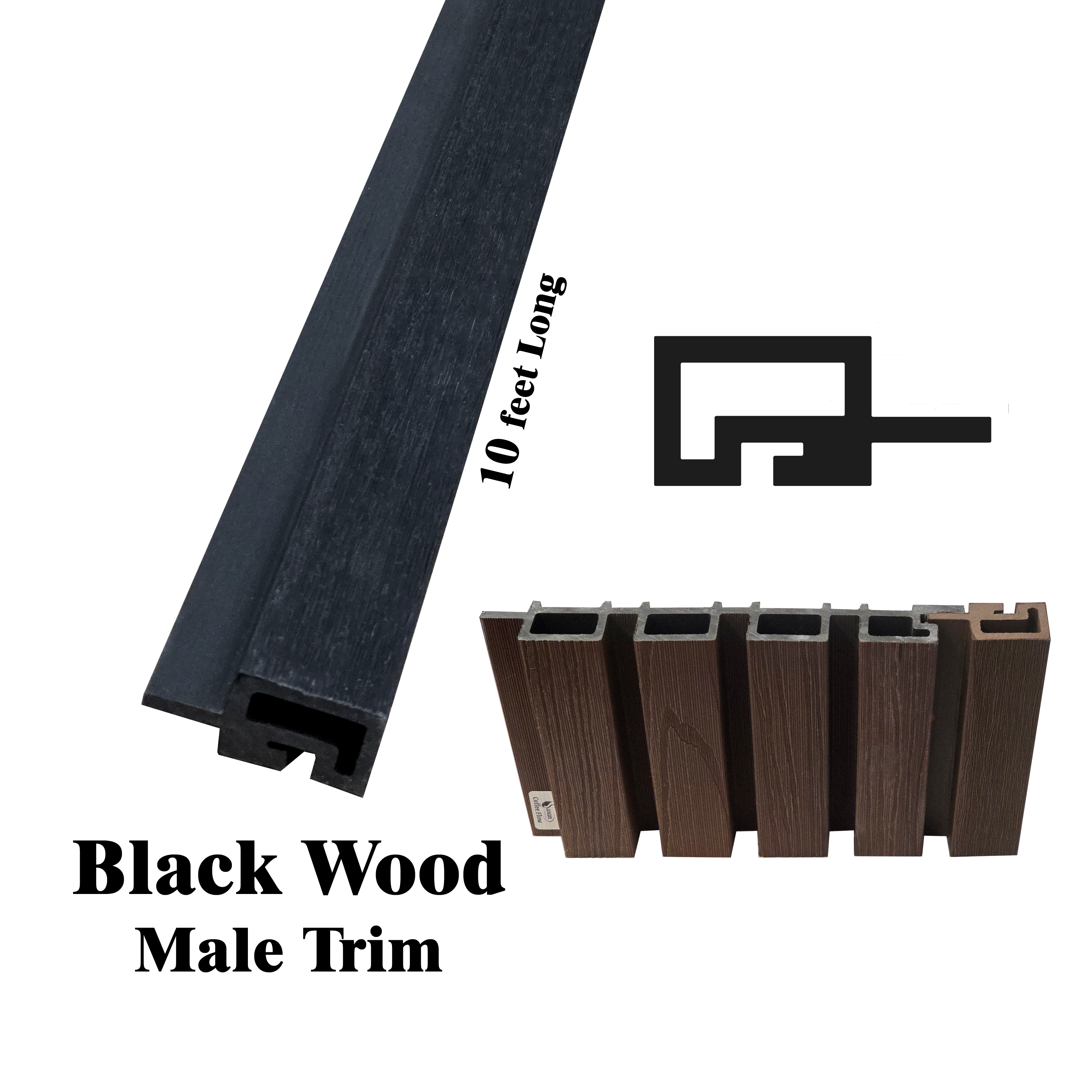
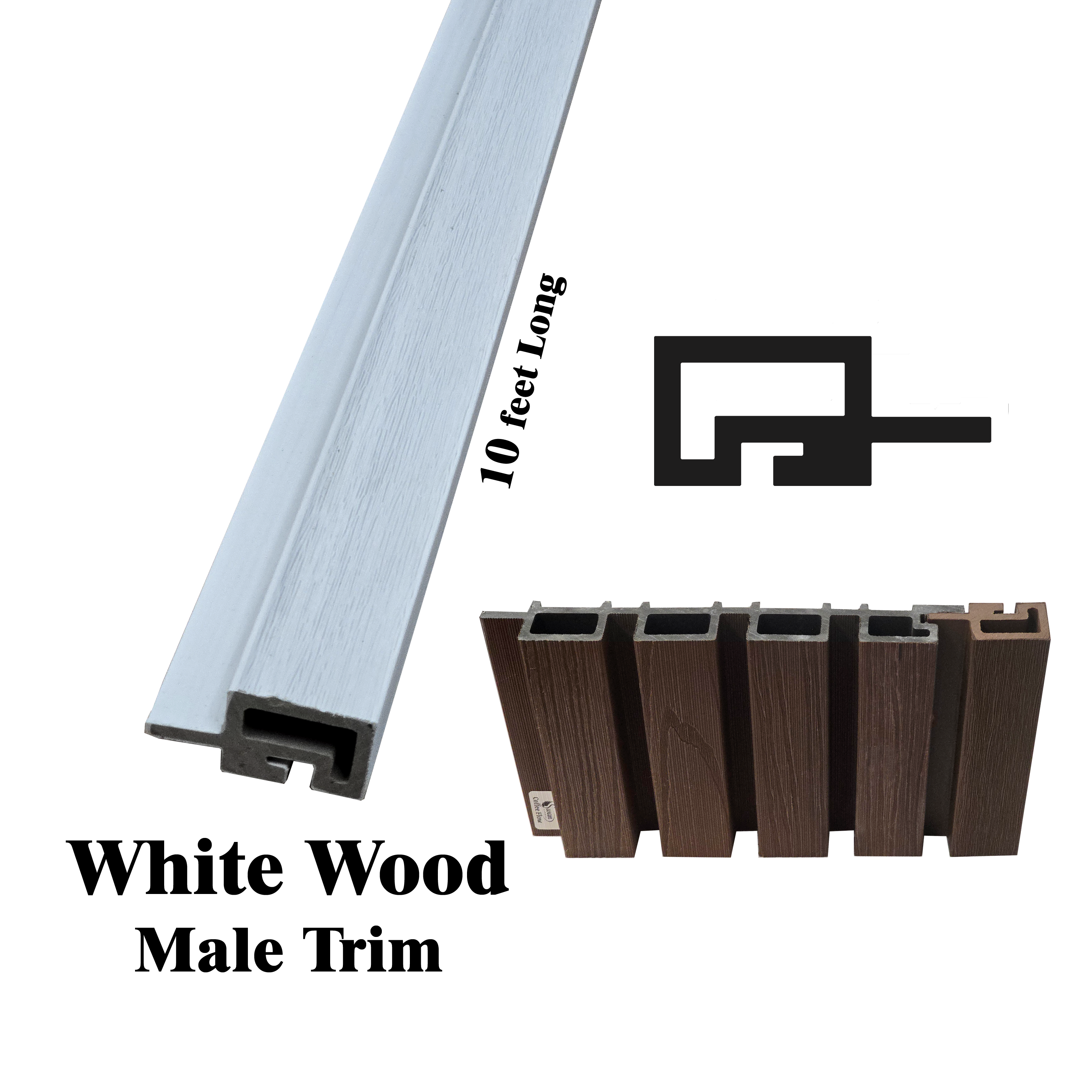
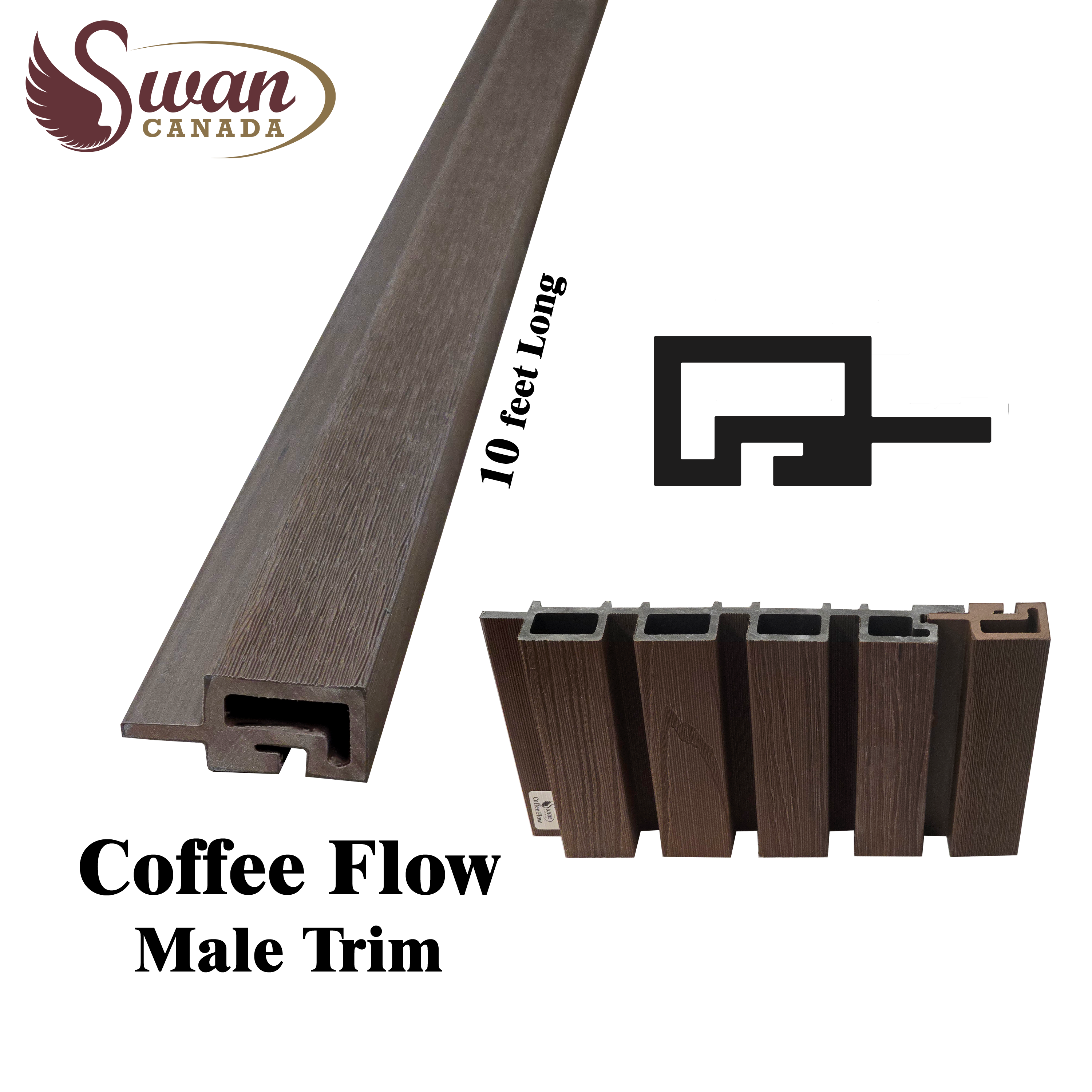
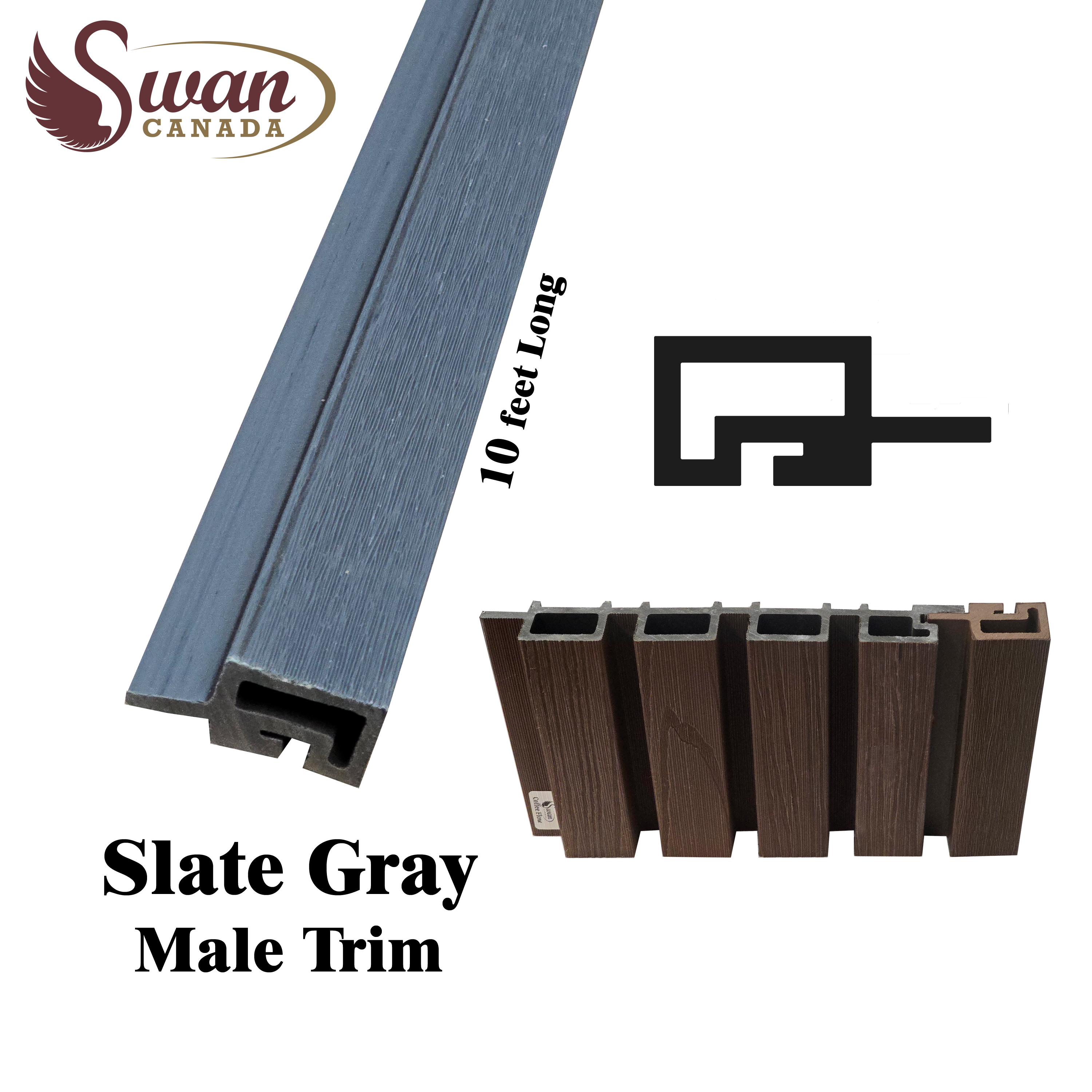
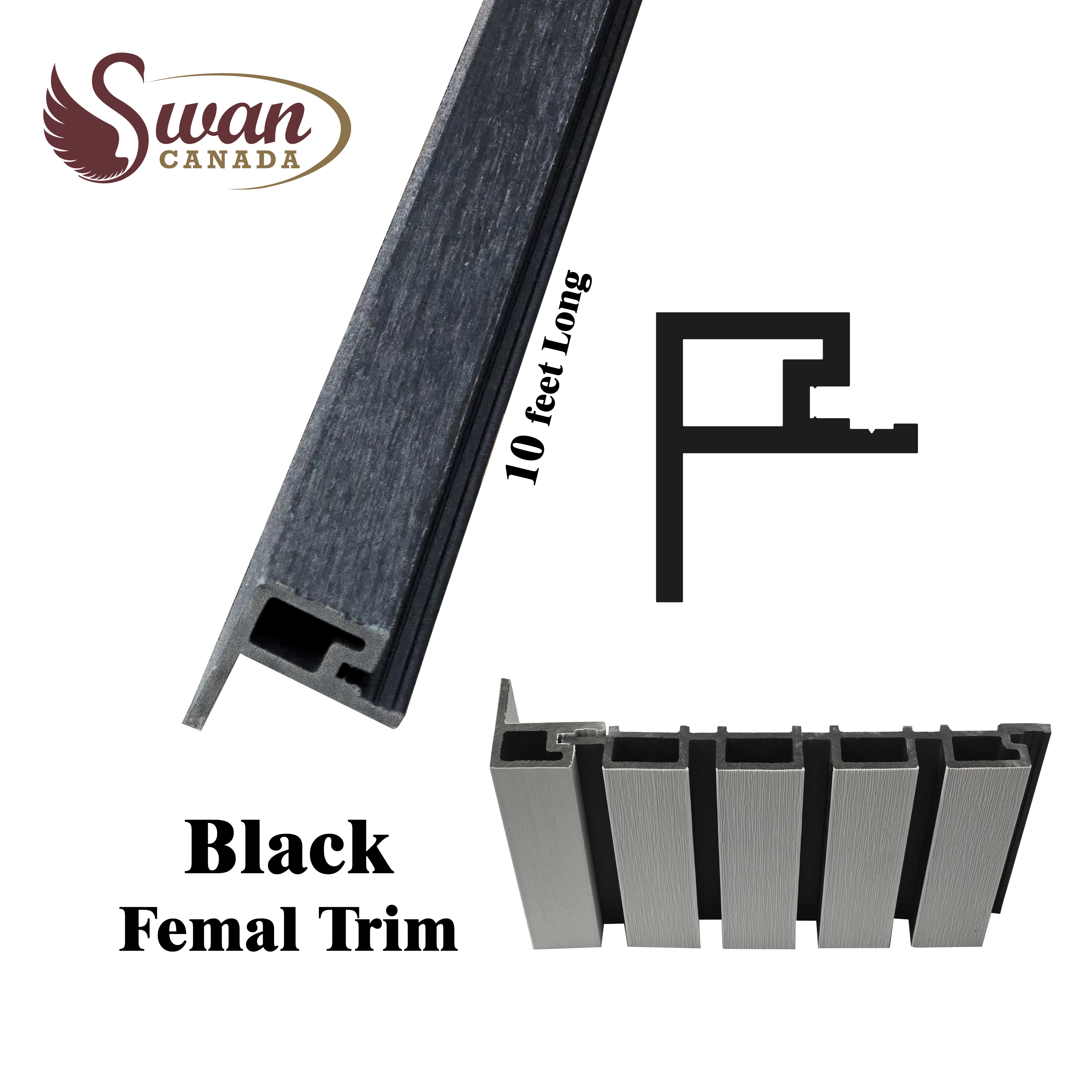
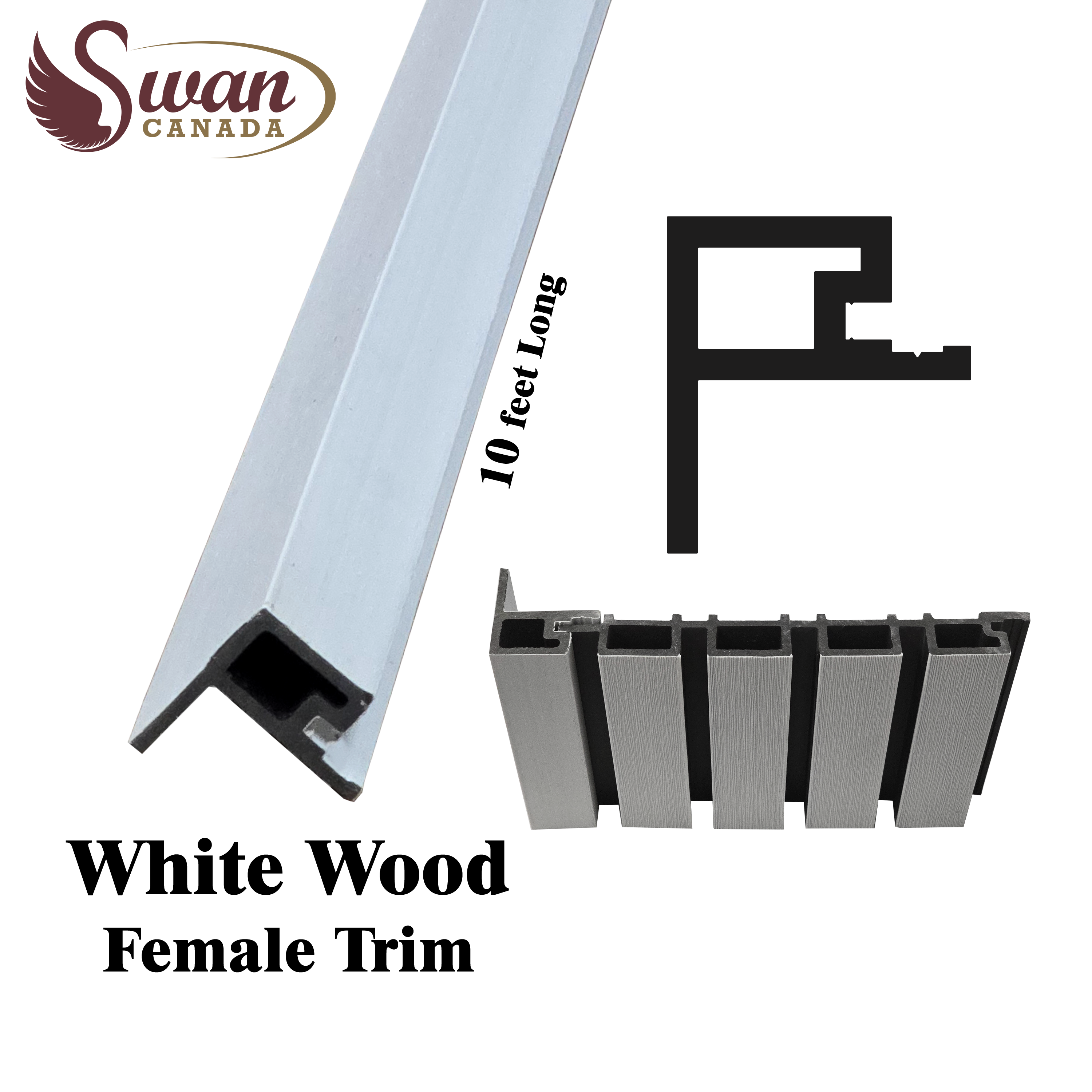
Flashing, trims and drainage components
Access equipment and full PPE
Before you begin
Do not install directly over an unsuitable or leaking wall. Confirm weather barrier, flashing, drainage, ventilation, expansion allowances and fastening design. Professional installation is strongly recommended.
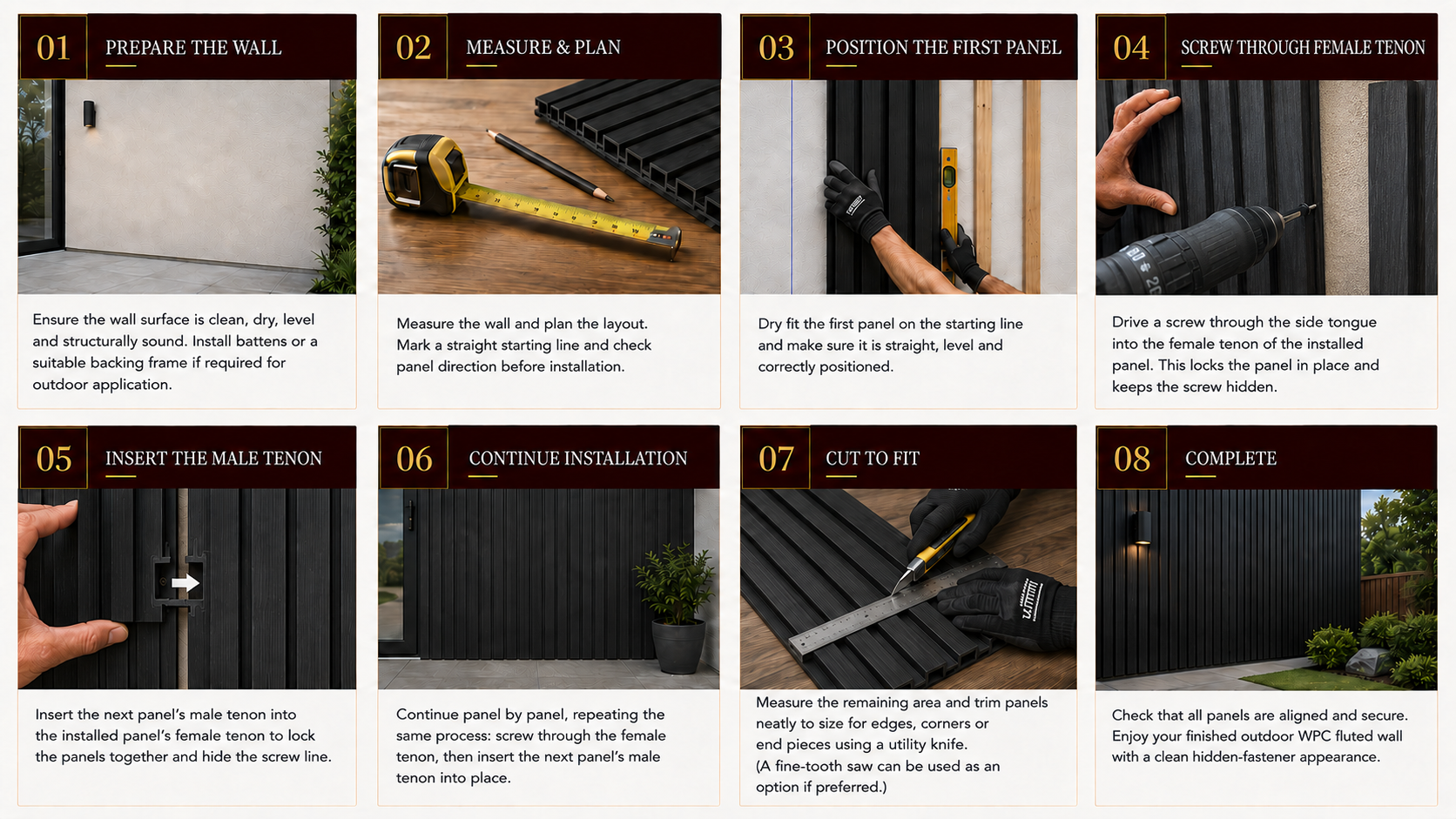
Follow these installation steps
Common questions about Outdoor Fluted Panels
Do outdoor fluted panels need a subframe?
Most exterior systems require a straight, durable subframe that creates proper support and ventilation. Use the spacing, material and orientation specified for the panel system and wall assembly.
Which fasteners should be used outdoors?
Use corrosion-resistant fasteners and clips approved for the panel, subframe and local exposure. Do not substitute indoor screws where wind, moisture or salt can cause corrosion.
How much expansion space should I leave?
Leave the end, perimeter and joint gaps required for the product length and expected temperature range. Do not lock panels tightly between rigid surfaces.
How is water managed behind the panels?
Maintain a drained and ventilated cavity, protect openings with flashing and keep weep paths clear. Exterior decorative panels are not a substitute for the building’s weather-resistive barrier.
How should exterior panels be cut?
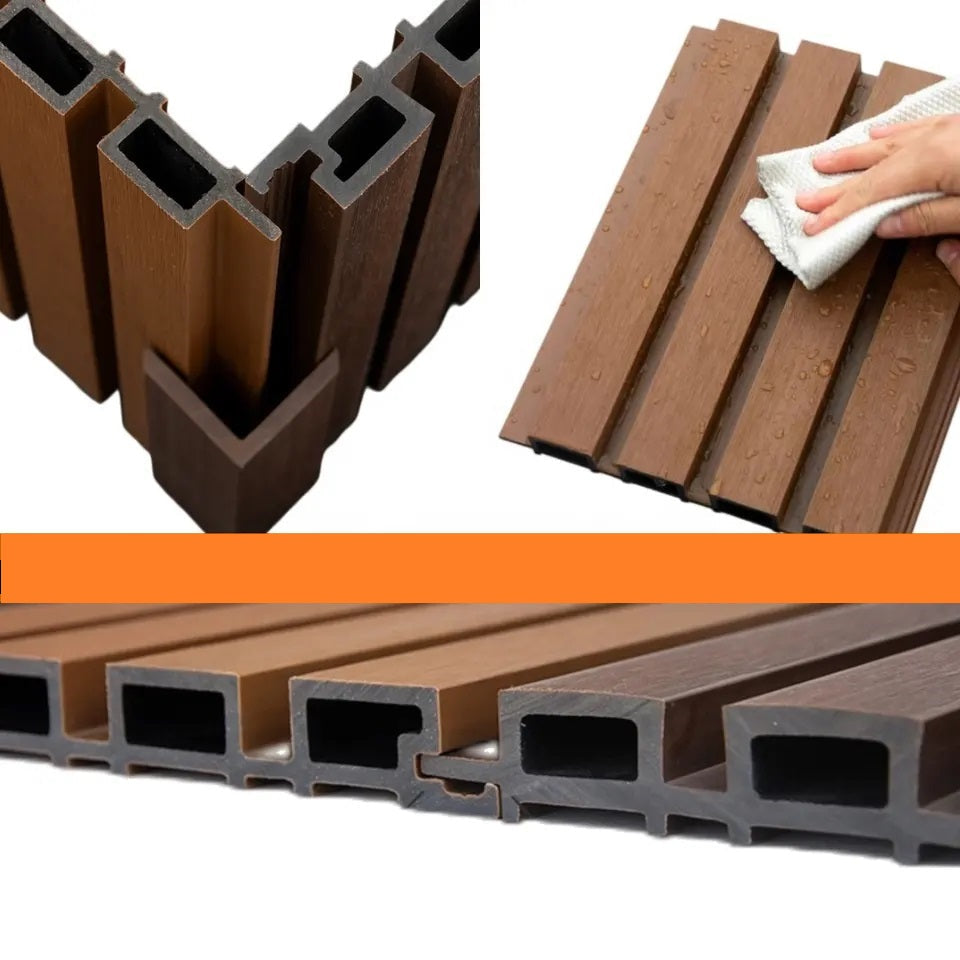
Use the blade recommended for the material, support each panel and remove cutting debris. Seal or cap cut ends only when required by the product instructions.
How are corners, doors and windows finished?
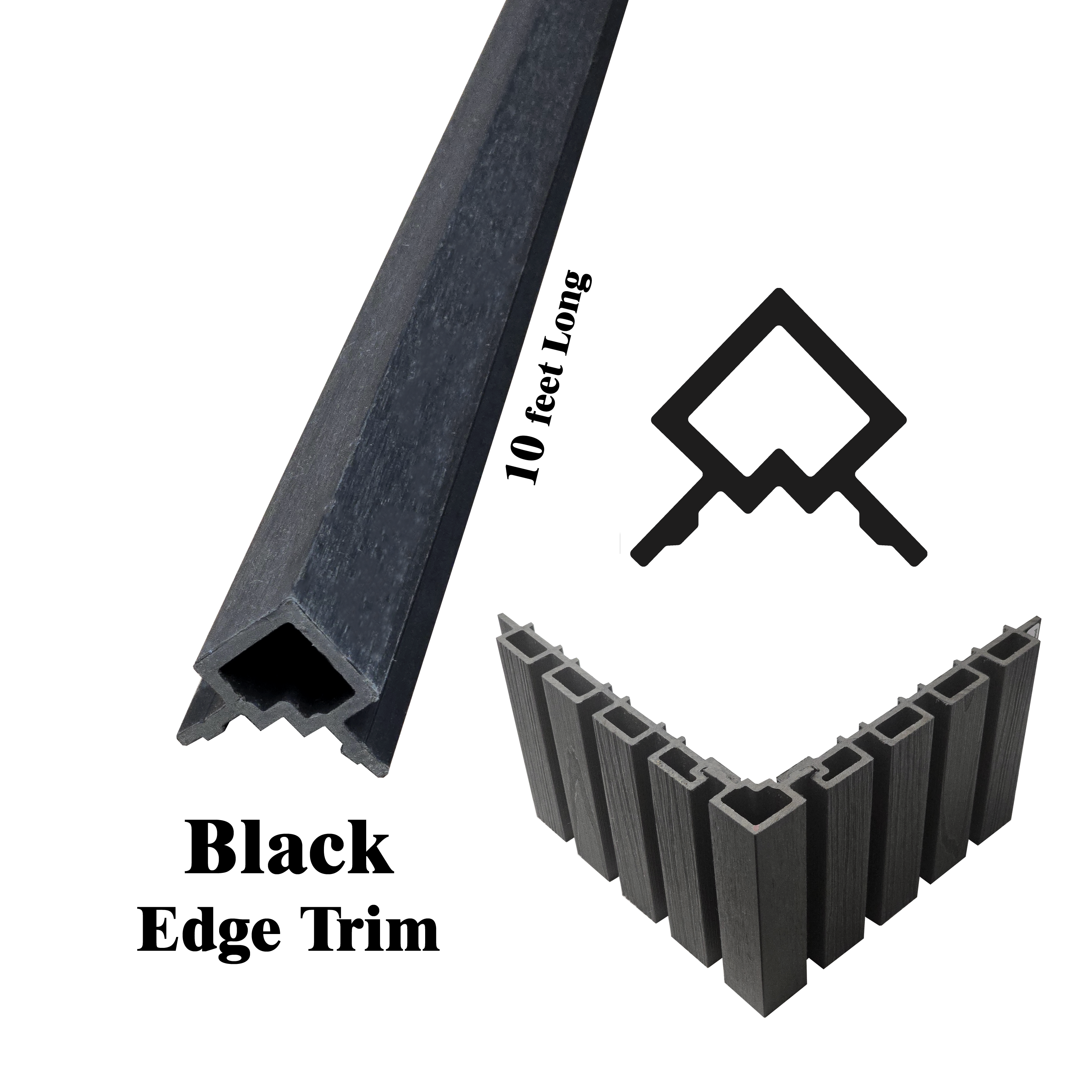
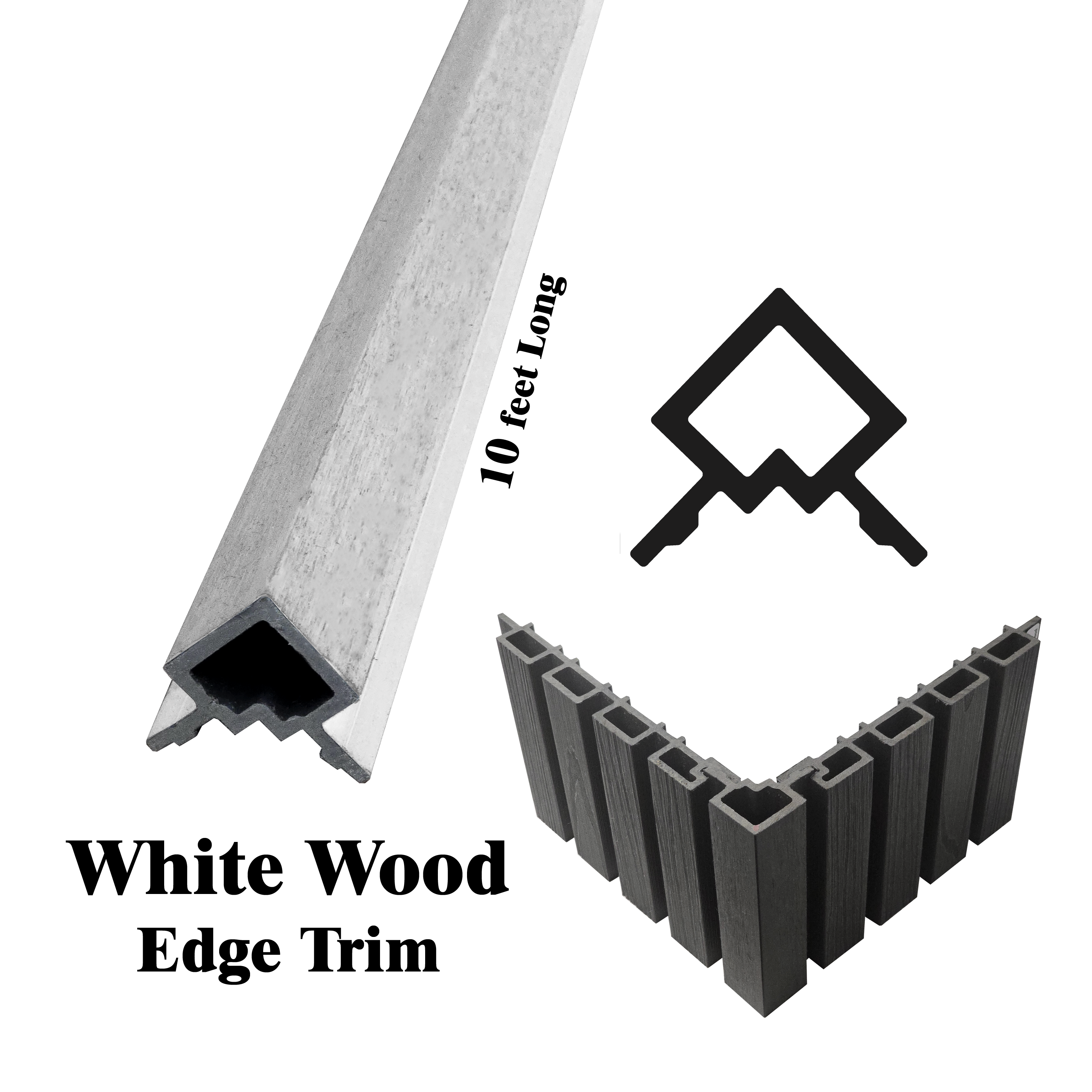
Plan approved trims, flashing and movement joints before installing field panels. Keep drainage paths and required clearances around openings unobstructed.
Can the panels be installed in winter?
Installation temperature limits apply to panels, adhesives and sealants. Store materials correctly and postpone work when temperature, rain, snow or wind prevents a compliant installation.
When is an exterior professional required?
Use an experienced exterior installer or building-envelope professional for high walls, complex openings, uncertain substrates, commercial work or any assembly requiring engineered wind-load or code review.